A TIBC blood test is commonly used to evaluate iron levels in the body and help diagnose conditions related to iron deficiency or overload. TIBC stands for Total Iron Binding Capacity, which measures how well the blood can carry iron through a protein called transferrin. When a doctor says a patient has a “tibc blood test high” result, it usually means the body is trying to bind and transport more iron than normal.
High TIBC levels are often associated with low iron stores and can provide important information about overall health. Doctors frequently order this test along with ferritin, serum iron, and transferrin saturation tests to get a complete picture of iron balance. Understanding what high TIBC means can help patients better understand their health and treatment options.
High TIBC Blood Test
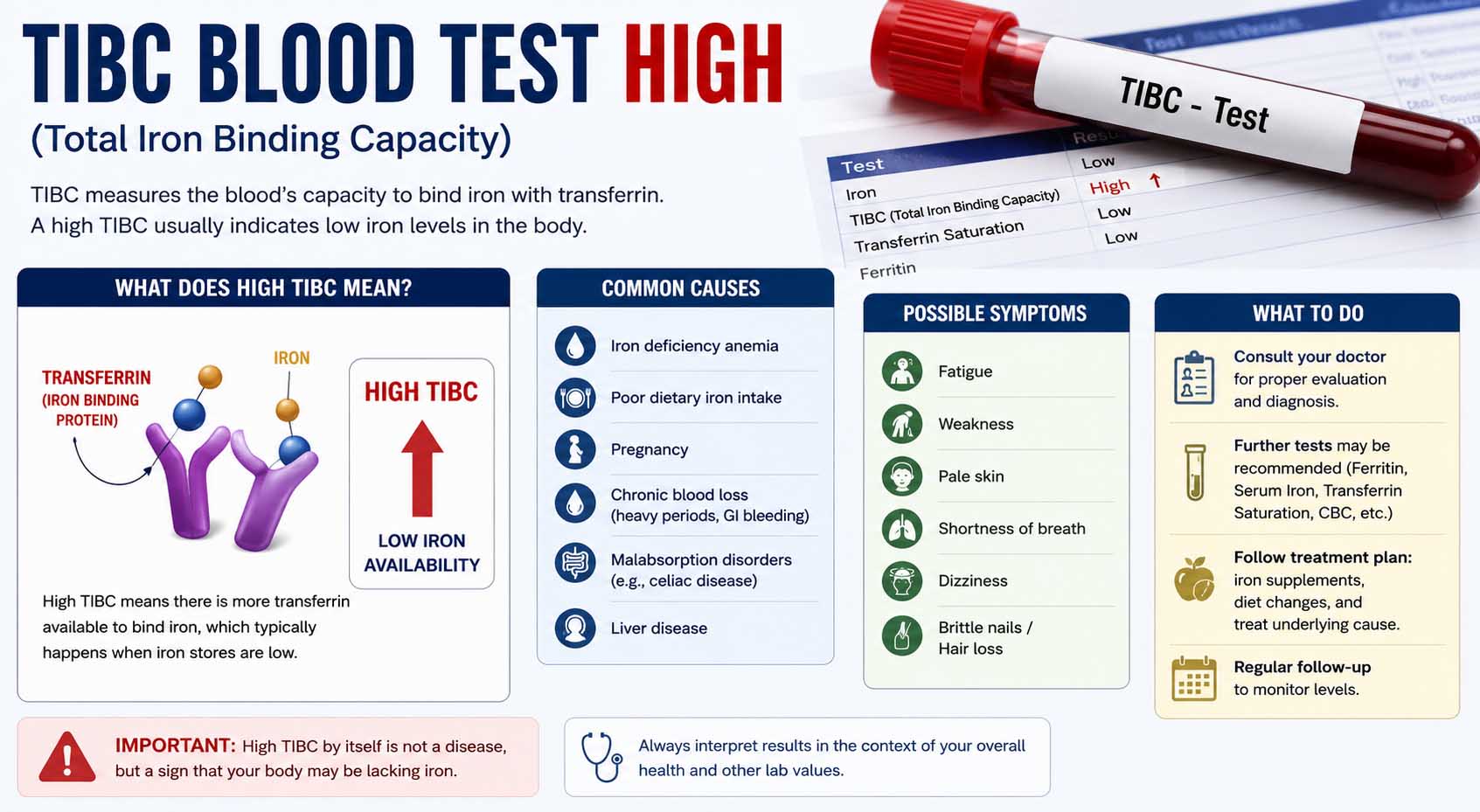
A high TIBC blood test result usually indicates that the body does not have enough iron available. When iron levels are low, the liver produces more transferrin to capture and transport as much iron as possible. This increases the total iron binding capacity in the blood.
Iron deficiency anemia is one of the most common reasons for elevated TIBC levels. In this condition, the body lacks sufficient iron to produce healthy red blood cells. People with iron deficiency anemia may experience fatigue, weakness, pale skin, headaches, and dizziness.
Diet can also influence TIBC results. Individuals who do not consume enough iron-rich foods may gradually develop iron deficiency over time. Poor nutrition, restrictive diets, or eating disorders may contribute to high TIBC values. Pregnant women are also more likely to experience elevated TIBC because the body requires additional iron during pregnancy.
Doctors usually compare TIBC levels with other blood test results before making a diagnosis. A high TIBC combined with low ferritin and low serum iron often strongly suggests iron deficiency. Proper interpretation of these results is important because several medical conditions can affect iron metabolism.
TIBC Blood Test High Meaning
Understanding tibc blood test high meaning can help patients avoid unnecessary fear when reviewing lab reports. A high TIBC result does not automatically mean a severe disease is present. In many cases, it simply reflects the body’s attempt to compensate for low iron availability.
The body relies on iron for many critical functions, including oxygen transport, energy production, and immune system support. When iron stores become depleted, transferrin production increases to improve iron transportation efficiency. This response causes TIBC levels to rise above the normal range.
Blood loss is another common reason for elevated TIBC. Heavy menstrual bleeding, stomach ulcers, gastrointestinal bleeding, or recent surgery may reduce iron levels and increase TIBC. In some cases, chronic conditions affecting nutrient absorption can also lead to iron deficiency and high TIBC values.
Certain medications and medical conditions may influence test results as well. Hormonal changes, liver function, and nutritional status can all affect iron binding capacity. Doctors often ask about symptoms, medical history, and lifestyle factors before determining the underlying cause of abnormal TIBC levels.
Although high TIBC is most commonly linked to iron deficiency, proper medical evaluation is still important. Self-diagnosing based solely on one blood test can lead to confusion or unnecessary treatment.
What Is TIBC in Blood Test High
Many patients ask, because medical terminology can be confusing. TIBC measures the maximum amount of iron that transferrin proteins can carry in the bloodstream. When this value is high, it usually means the body has extra transferrin available because iron levels are low.
Iron is essential for producing hemoglobin, the protein inside red blood cells that carries oxygen. Without enough iron, the body cannot make healthy red blood cells efficiently. To compensate, the body increases transferrin production, resulting in a higher TIBC reading.
High TIBC results may appear in people with nutritional deficiencies, chronic blood loss, or certain digestive disorders. Conditions such as celiac disease or inflammatory bowel disease can reduce iron absorption from food, eventually leading to elevated TIBC levels.
Pregnancy is another situation where TIBC often rises naturally. During pregnancy, blood volume increases significantly, and the body needs more iron to support both the mother and the developing baby. Doctors commonly monitor iron levels in pregnant women to prevent complications related to anemia.
What Does High TIBC Mean in a Blood Test
People frequently wonder, what does high tibc mean in a blood test when they receive abnormal laboratory results. In most situations, it means the body is attempting to improve iron transport because iron reserves are insufficient. This is why high TIBC is commonly associated with iron deficiency anemia.
Doctors often use TIBC testing to differentiate between different types of anemia. For example, iron deficiency anemia typically causes high TIBC, while anemia related to chronic disease may produce normal or low TIBC levels. Comparing multiple iron-related markers helps physicians identify the correct diagnosis.
If iron deficiency is confirmed, doctors may recommend iron supplements, dietary changes, or treatment for underlying blood loss. Foods rich in iron include red meat, spinach, beans, lentils, and fortified cereals. Vitamin C can also improve iron absorption from meals.
Symptoms Associated With High TIBC
Many people with elevated TIBC experience symptoms related to iron deficiency rather than the TIBC itself. Fatigue is one of the most common complaints because low iron reduces oxygen delivery to tissues and muscles. Weakness and reduced exercise tolerance may also occur.
Conclusion
A tibc blood test high result often indicates that the body is struggling with low iron levels and attempting to increase iron transportation capacity. Whether discussing a high tibc blood test, understanding tibc blood test high meaning, learning , or asking what does high tibc mean in a blood test, the underlying issue is commonly related to iron deficiency.