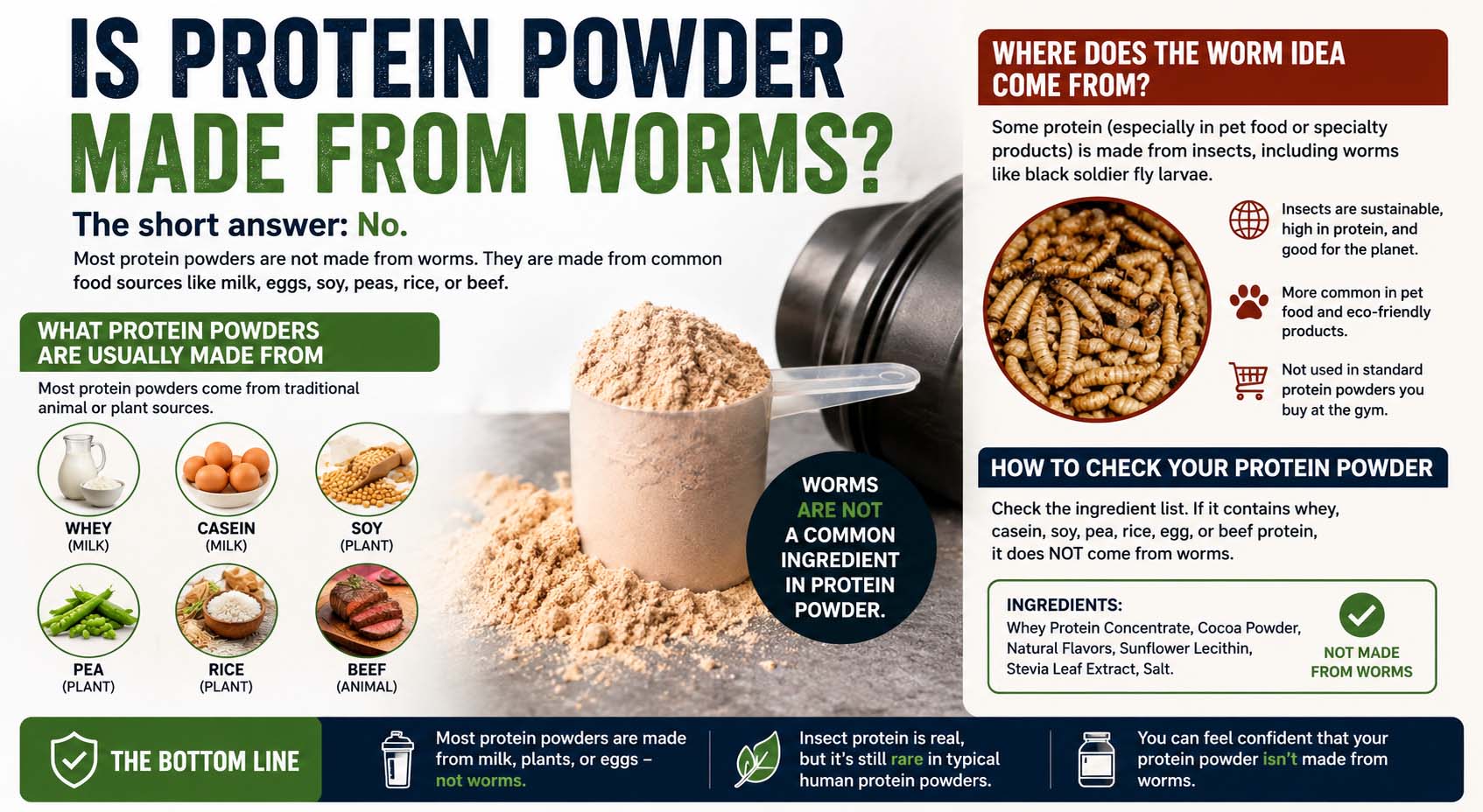
Protein powder has become one of the most popular supplements in the health and fitness industry. Athletes, gym enthusiasts, and even casual consumers use protein powders to support muscle growth, recovery, and daily nutrition. However, many people searching online often ask unusual questions about protein supplements, including whether protein powder is made from worms. This topic has gained attention because of growing interest in alternative protein sources and sustainable food production.
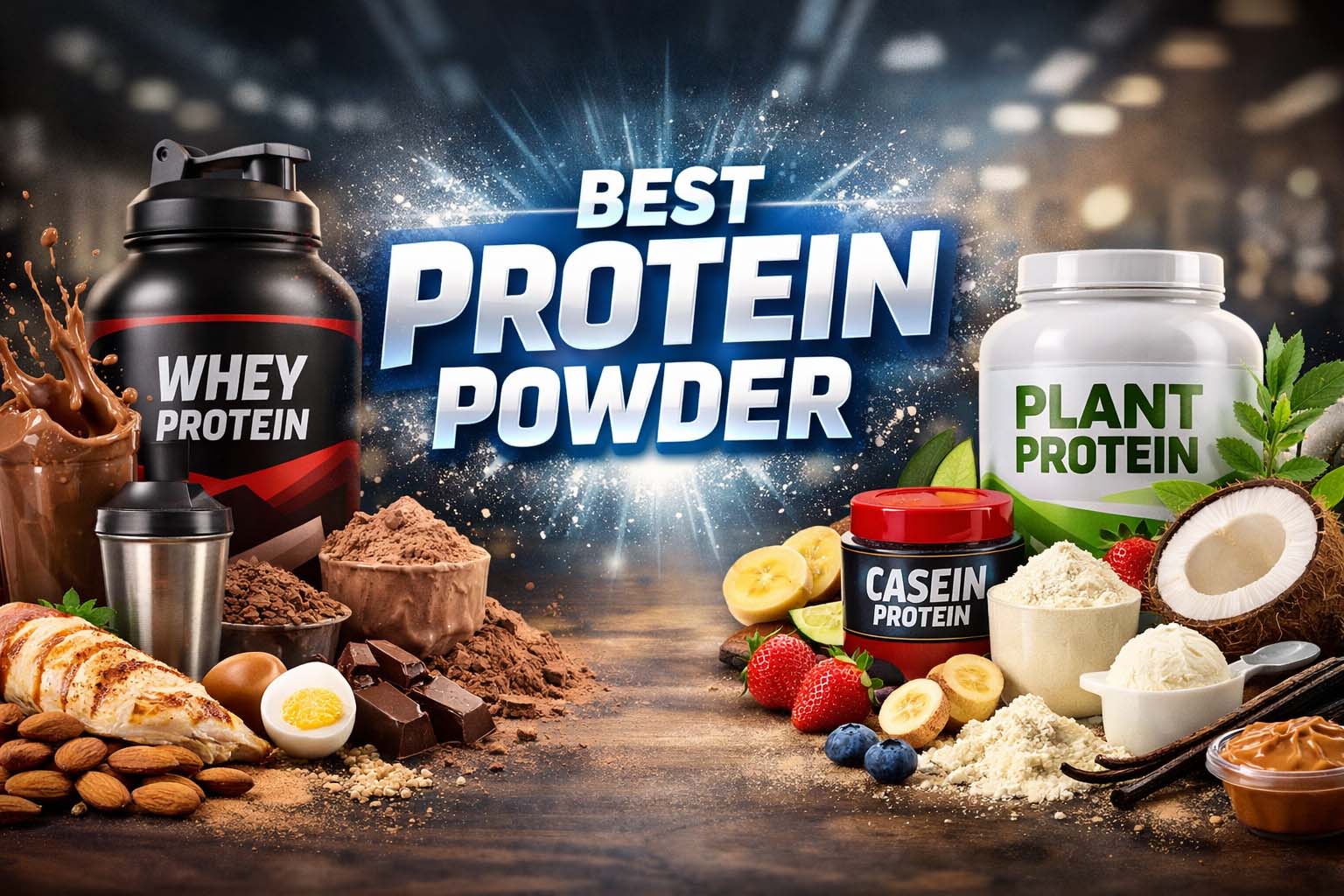
The truth is that most traditional protein powders are not made from worms. Common protein powders are usually derived from dairy, plants, eggs, or soy. Whey protein, casein protein, pea protein, rice protein, and soy protein remain the most widely used varieties sold in stores around the world. These products are carefully processed and tested before reaching consumers.
At the same time, the food industry has started exploring alternative protein sources to support sustainability and reduce environmental impact. This has led to increased interest in insect-based protein products, which has contributed to online rumors and confusion about worms being used in protein supplements.
What Is Protein Powder Made From Worms
Many people searching for what is protein powder made from worms are usually referring to insect-based protein products rather than traditional fitness supplements. Some companies experiment with protein powders made from insects such as mealworms, crickets, or larvae because insects contain high amounts of protein and require fewer resources compared to livestock farming.
Mealworms, despite their name, are not actually worms. They are the larval stage of darkling beetles. Certain food manufacturers process these insects into protein-rich powders that can be used in nutritional products, protein bars, or specialty supplements. These products are generally marketed as environmentally friendly alternatives because insect farming uses less water, land, and feed than traditional animal agriculture.
However, insect-based protein products are still relatively uncommon compared to mainstream protein powders. Most protein supplements sold in gyms, supermarkets, and nutrition stores contain whey, casein, soy, pea, or rice protein instead of insect ingredients.
Consumers concerned about ingredients can always check product labels carefully. Food manufacturers are required in many countries to list ingredients clearly so customers know exactly what they are consuming. If a supplement contains insect-based ingredients, it will usually mention mealworm protein, cricket protein, or insect protein directly on the packaging.
How Is Protein Powder Made From Worms
The question of relates mainly to the production process of insect protein powders. Manufacturers producing insect-based protein generally raise insects such as mealworms in controlled farming environments. These insects are fed regulated diets and grown under hygienic conditions to ensure food safety.
Once harvested, the insects are cleaned, dried, and processed into powder form. The drying process removes moisture, which helps preserve nutrients and extend shelf life. After drying, the insects are ground into a fine powder that can be blended into protein supplements or food products.
The resulting powder contains high levels of protein, amino acids, vitamins, and minerals. Some companies promote insect protein as a sustainable nutritional option because insect farming produces fewer greenhouse gas emissions compared to traditional livestock farming.
Despite these advantages, insect protein remains a niche product in many countries. Consumer acceptance varies widely because cultural attitudes toward eating insects differ around the world. In some regions, insects are considered normal food sources, while in others they are viewed as unusual or unappealing.
Is Whey Protein Powder Made From Worms
One of the most common concerns online is is whey protein powder made from worms. The answer is no. Whey protein is not made from worms or insects.
When milk is processed into cheese, the liquid portion that separates from the curds is called whey. This liquid contains protein and other nutrients. Manufacturers filter and process the whey to create concentrated or isolated protein powders commonly used in fitness and nutrition products.
Whey protein is one of the most researched and widely consumed protein supplements in the world. It is popular because it contains all essential amino acids and is absorbed quickly by the body. Athletes and fitness enthusiasts often use whey protein after workouts to support muscle recovery and growth.
There are different forms of whey protein available, including whey concentrate, whey isolate, and whey hydrolysate. These varieties differ mainly in protein content and processing methods. None of these products involve worms or insect ingredients unless specifically stated on the label.
What Protein Powder Is Made From Worms
People asking what protein powder is made from worms are usually referring to specialty insect-based protein products. Some companies produce protein powders made from mealworms or other edible insects as part of the growing alternative protein industry.
Mealworm protein powder is one example that has appeared in health and sustainability markets. These products are designed for consumers interested in environmentally friendly nutrition and alternative food sources. Cricket protein powder is another popular insect-based option sold in certain countries.
Unlike traditional whey or plant proteins, insect protein powders are marketed mainly for sustainability benefits. Insects require fewer natural resources and can be farmed efficiently, which appeals to environmentally conscious consumers.
The Future of Alternative Protein Sources
The global food industry is constantly changing as companies search for more sustainable ways to produce nutrition. Protein demand continues increasing because of growing populations and rising interest in fitness and health. This has encouraged businesses to experiment with new protein sources, including insects, algae, and lab-grown products.
Alternative proteins may become more visible in supermarkets and nutrition stores over time. However, traditional protein powders remain dominant because they are widely accepted, affordable, and backed by decades of research.
Consumers today have more choices than ever before when selecting protein supplements. Whey protein remains popular for muscle recovery, while plant-based proteins appeal to vegetarians and vegans. Insect protein products currently serve a smaller market focused mainly on sustainability and innovation.