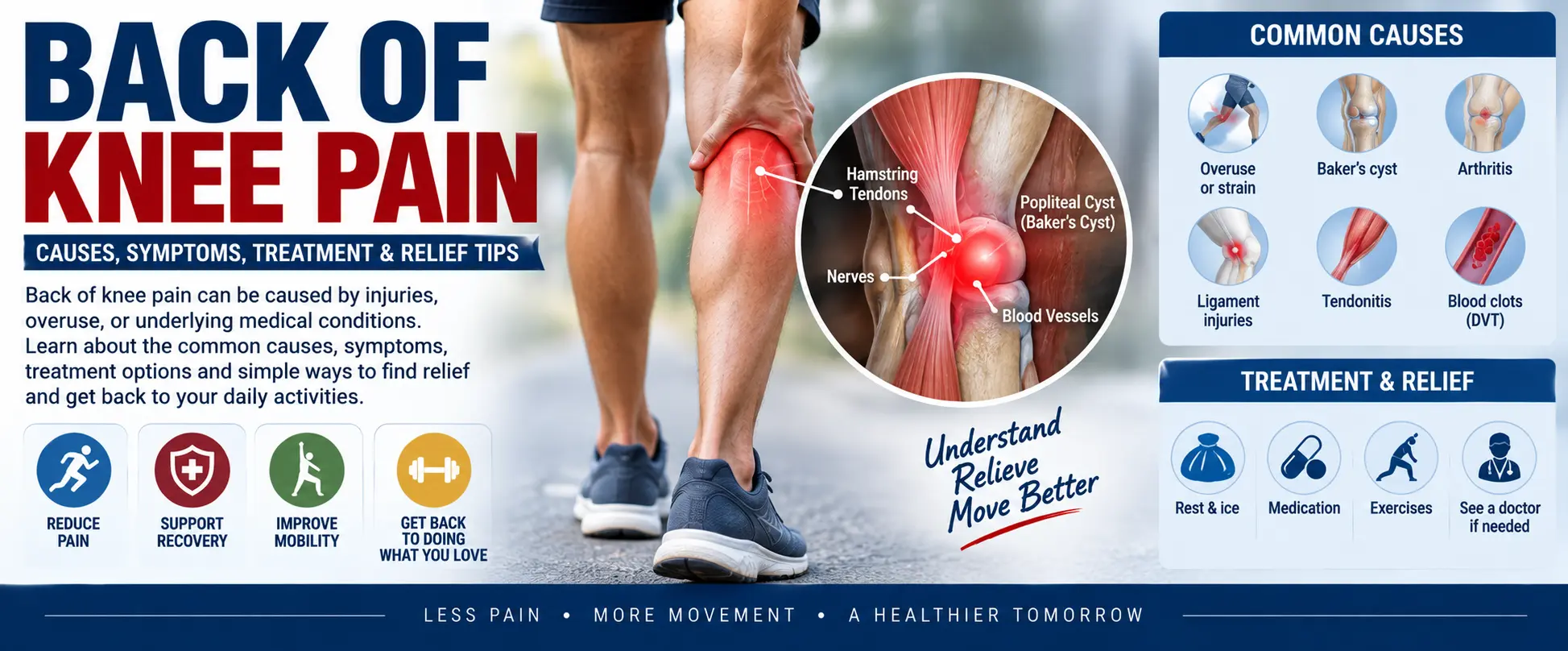
Feeling discomfort behind your knee can make simple movements such as walking, bending, climbing stairs, or getting up from a chair surprisingly difficult. Back of knee pain can develop after exercise, an injury, or repetitive activity, but sometimes there is no obvious trigger. Possible causes range from muscle or tendon strain to a Baker’s cyst, arthritis, meniscus injury, or, less commonly, a blood clot. Because treatment depends on the cause, persistent or severe symptoms deserve proper medical evaluation. The location and pattern of discomfort can provide useful clues. For example,…
Read MoreCategory: HEALTH & FITNESS
Health & fitness is the foundation of a balanced and energetic life. Whether your goal is to lose weight, build muscle, improve endurance, or simply feel healthier every day, focusing on fitness and wellness can make a lasting difference.
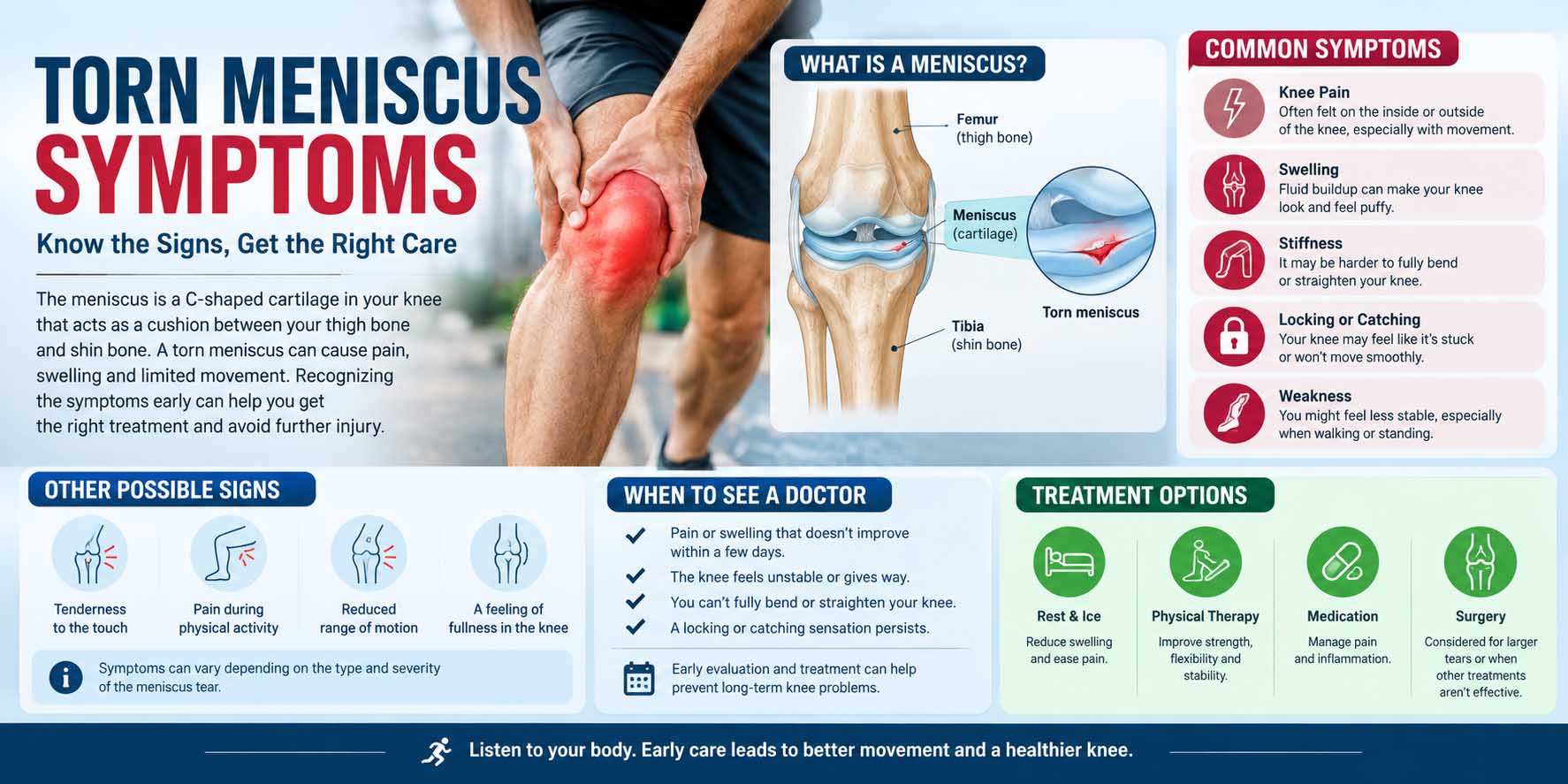
Torn Meniscus Symptoms: Signs, Causes, Diagnosis, and Recovery
Knee pain can happen after a sudden twist, a sports injury, or even an ordinary movement such as squatting or standing up. However, when the discomfort comes with swelling, catching, clicking, or difficulty moving the joint, torn meniscus symptoms may be part of the problem. A meniscus tear is one of the more common knee injuries, and the symptoms can range from mild irritation to significant trouble walking or straightening the leg. The meniscus is a piece of tough, rubbery cartilage that helps cushion and stabilize the knee. Each knee…
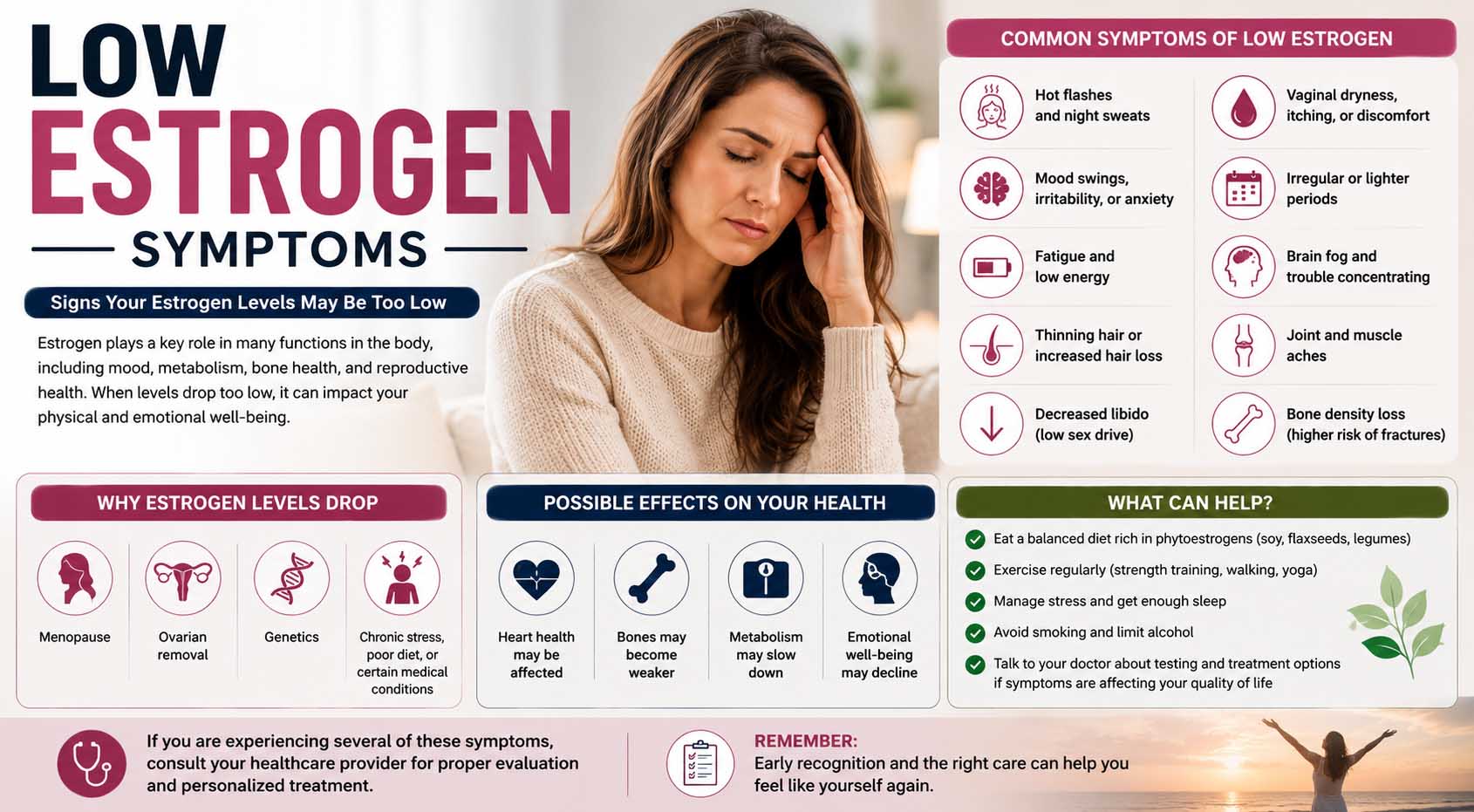
Read MoreLow Estrogen Symptoms: Signs, Causes, Testing and What to Do
Estrogen affects far more than menstrual periods, so low estrogen symptoms can show up in several parts of the body. Some people notice irregular periods or hot flashes, while others experience sleep changes, vaginal dryness, mood changes, or discomfort during sex. However, these symptoms are not specific to estrogen deficiency, which means testing and a medical evaluation may be needed to understand what is actually happening. Estrogen levels also change naturally throughout life. For example, levels fluctuate during the menstrual cycle and generally decline during the transition to menopause. Meanwhile,…
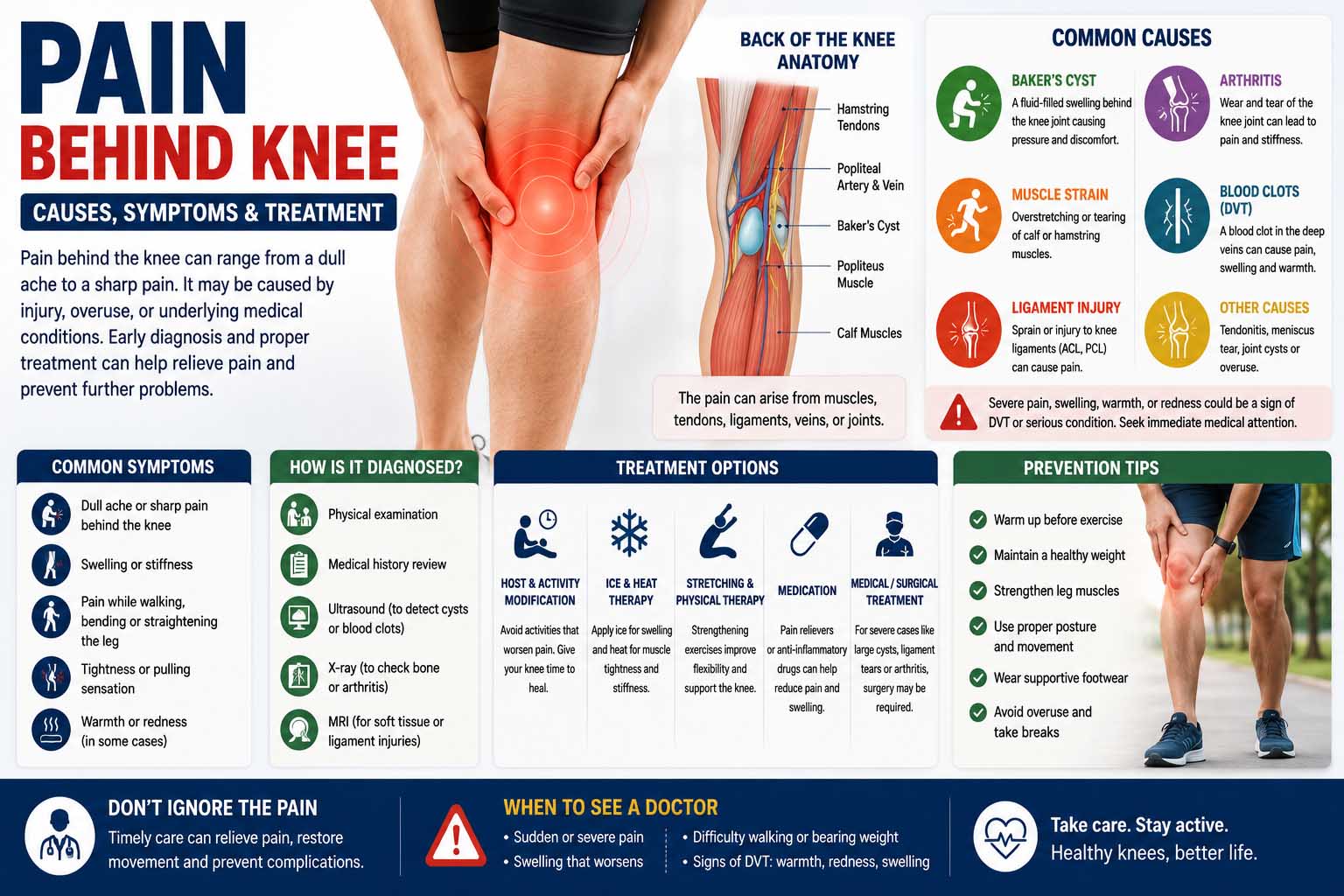
Read MorePain Behind Knee: Causes, Symptoms, Treatment, and Warning Signs
Feeling pain behind knee can make ordinary activities such as walking, climbing stairs, bending your leg, or getting up from a chair uncomfortable. In many cases, the problem comes from an irritated muscle, tendon, or joint structure. However, swelling behind the knee can also develop from a Baker’s cyst, while sudden pain with calf swelling can sometimes signal a more serious problem such as a blood clot. Therefore, the surrounding symptoms matter just as much as the location of the pain. The back of the knee is a compact area…
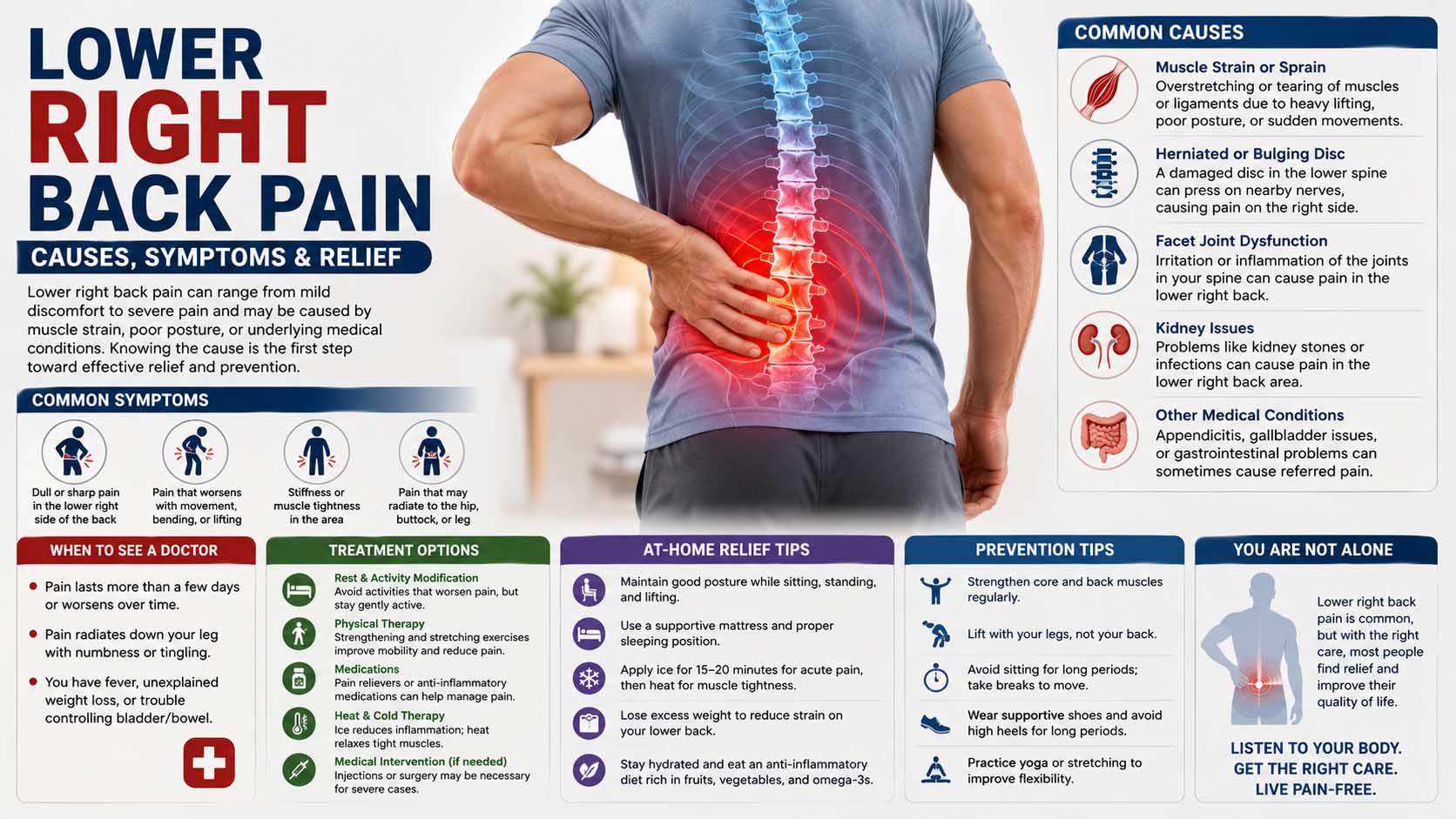
Read MoreLower Right Back Pain: Common Causes, Symptoms, and What to Do
A sudden ache on one side of your lower back can make you wonder whether you simply strained a muscle or something deeper is causing the problem. Lower right back pain commonly develops from muscles, joints, or other structures around the spine, but pain in this area can sometimes come from the kidneys, urinary tract, or abdominal and pelvic organs. Therefore, the location of the pain is useful, but the symptoms that occur with it matter just as much. For many people, one-sided back pain improves with simple measures such…
Read MorePeritonsillar Abscess Symptoms: Early Signs, Treatment, and Recovery
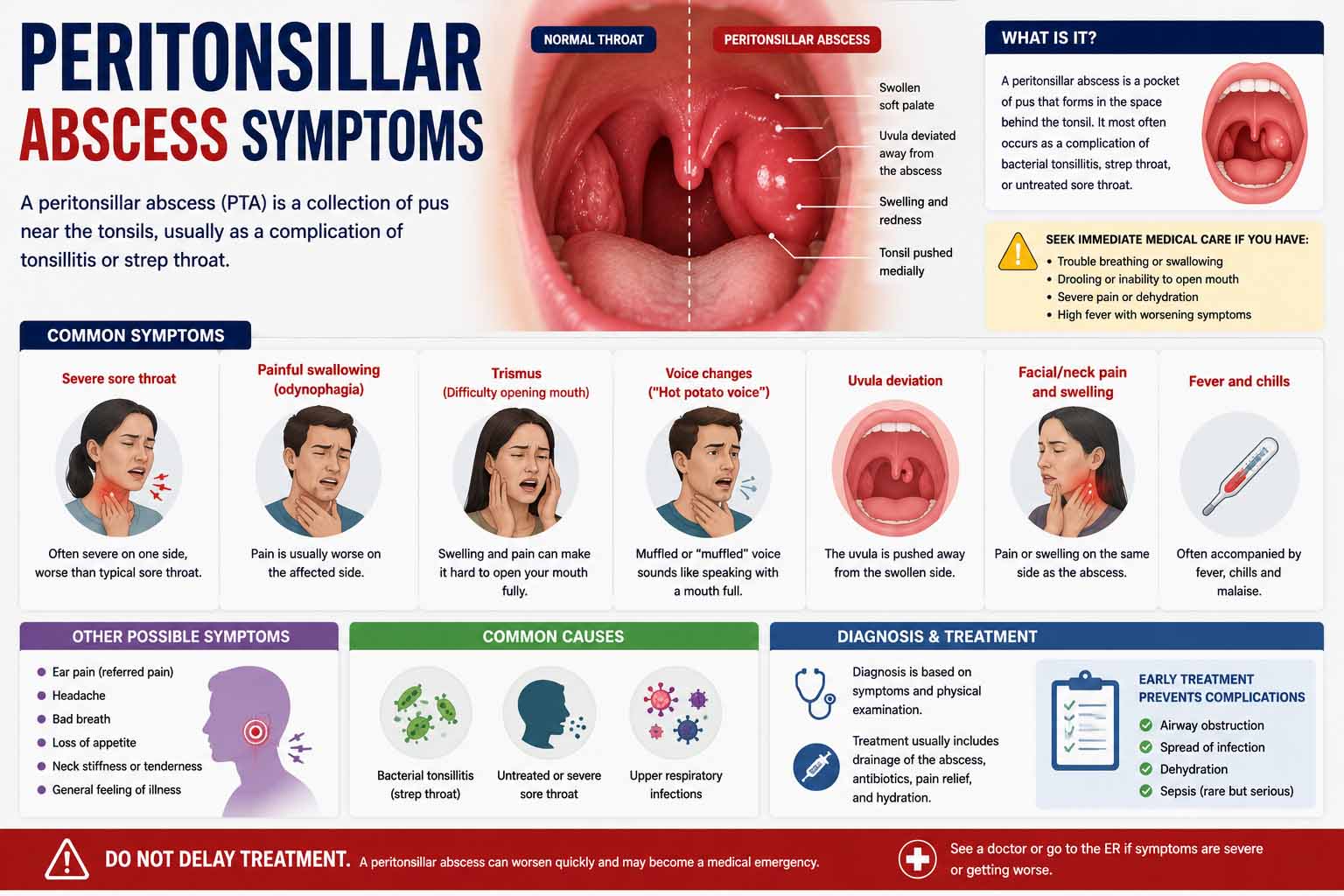
A severe sore throat does not always mean you have a routine throat infection. Peritonsillar abscess symptoms often include intense pain on one side of the throat, difficulty swallowing, fever, a muffled voice, and swelling around a tonsil. Because the infection can sometimes interfere with swallowing or breathing, recognizing these warning signs early can help you get appropriate medical care before complications develop. A peritonsillar abscess is a pocket of pus that forms in the tissues next to a tonsil. It often develops as a complication of tonsillitis or another…
Read MoreSymptoms of a Concussion: Warning Signs, Recovery, and When to Get Help
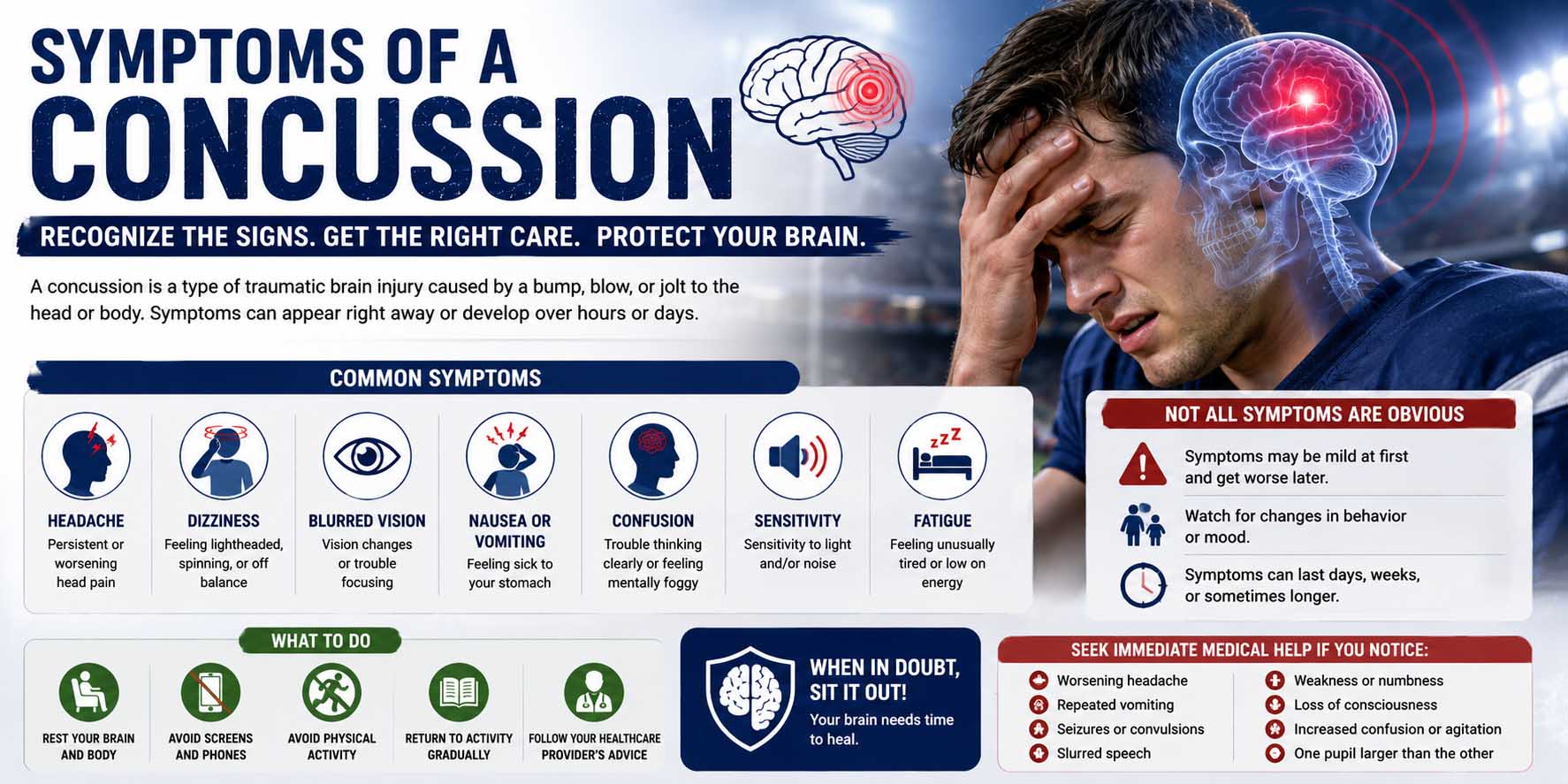
A concussion can happen after a fall, sports collision, car crash, or other force that makes the brain move rapidly inside the skull. The symptoms of a concussion may include headache, dizziness, nausea, confusion, balance problems, memory difficulties, and sensitivity to light or noise. However, symptoms vary widely, and some do not appear immediately after the injury. Although it is often described as a “mild” TBI, that term refers to the initial injury classification and does not mean symptoms should be ignored. You also do not need to lose consciousness…
Read MoreChloride Blood Test Low: What It Means, Causes, Symptoms, and Next Steps
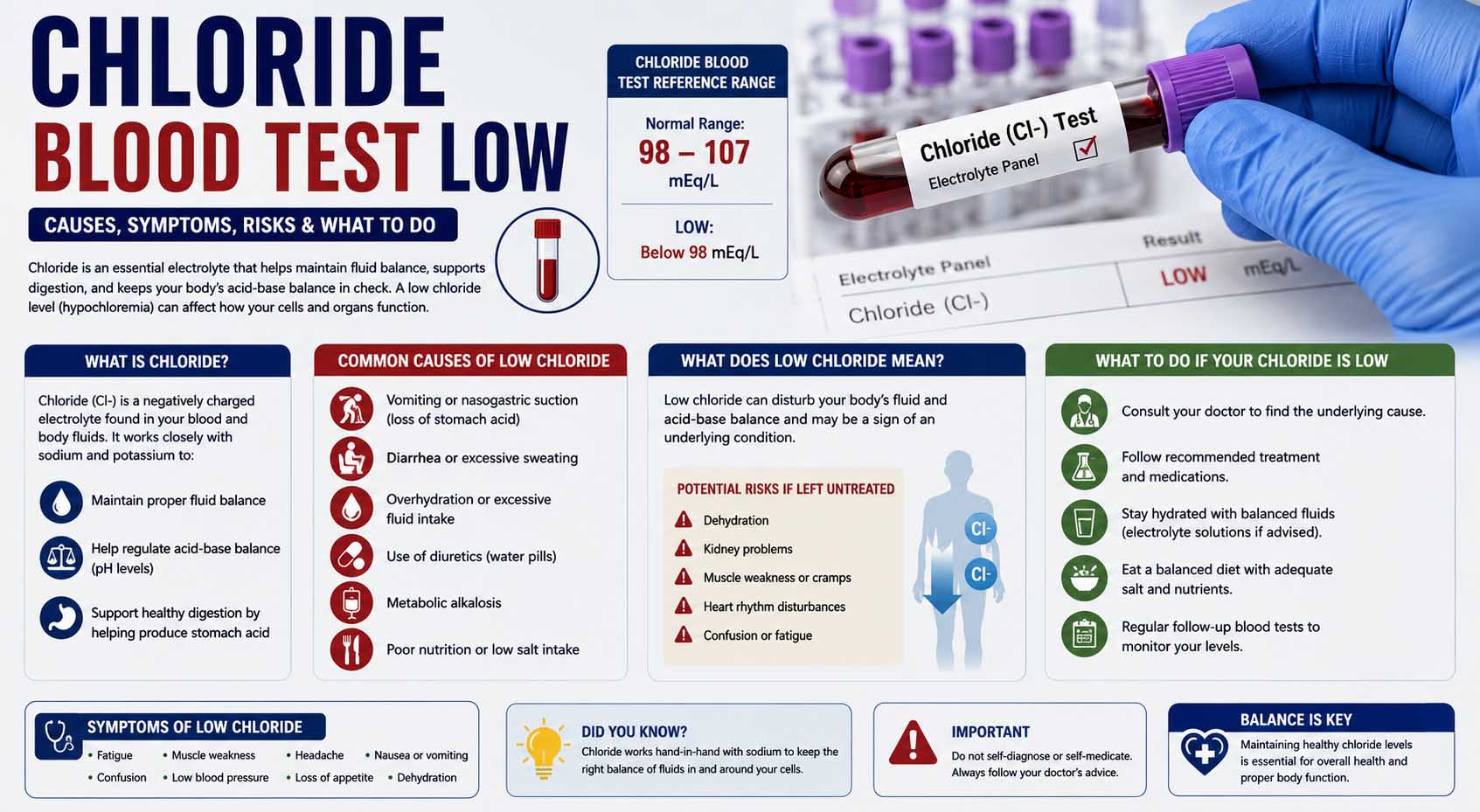
Seeing chloride blood test low on a laboratory report can be confusing, especially if you feel perfectly well. Chloride is an electrolyte that helps your body maintain fluid balance, acid-base balance, and normal cell function. A low blood chloride level is called hypochloremia. Although a mildly low result may occur for several reasons and does not automatically indicate a serious illness, doctors interpret it alongside other electrolytes, symptoms, medications, and your overall health. Chloride levels often change together with sodium, bicarbonate, and other substances in the blood. Therefore, one abnormal…
Read MoreSodium Blood Test: What Your Sodium Level Means
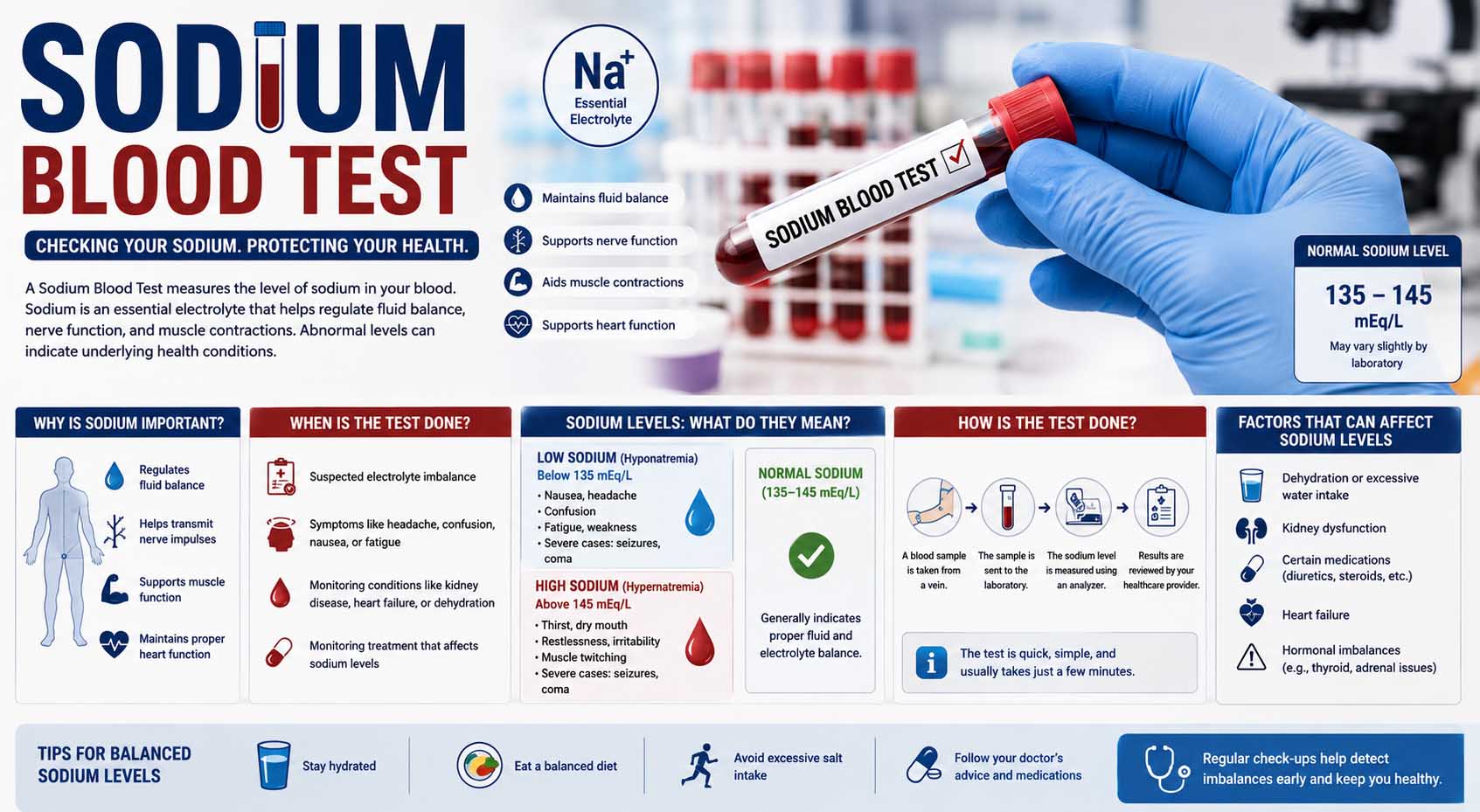
A sodium blood test measures the amount of sodium in your blood and helps doctors evaluate your body’s fluid balance, nerve function, and other essential processes. Sodium is an electrolyte, and although most people associate it with dietary salt, your blood sodium level depends on much more than how much salt you eat. Changes in body water, medications, kidney function, hormones, and certain illnesses can all affect the result. Doctors often order this test as part of a routine electrolyte panel or comprehensive metabolic panel. Therefore, an abnormal result does…
Read MoreCarbon Dioxide Blood Test: What Your CO2 Level Means
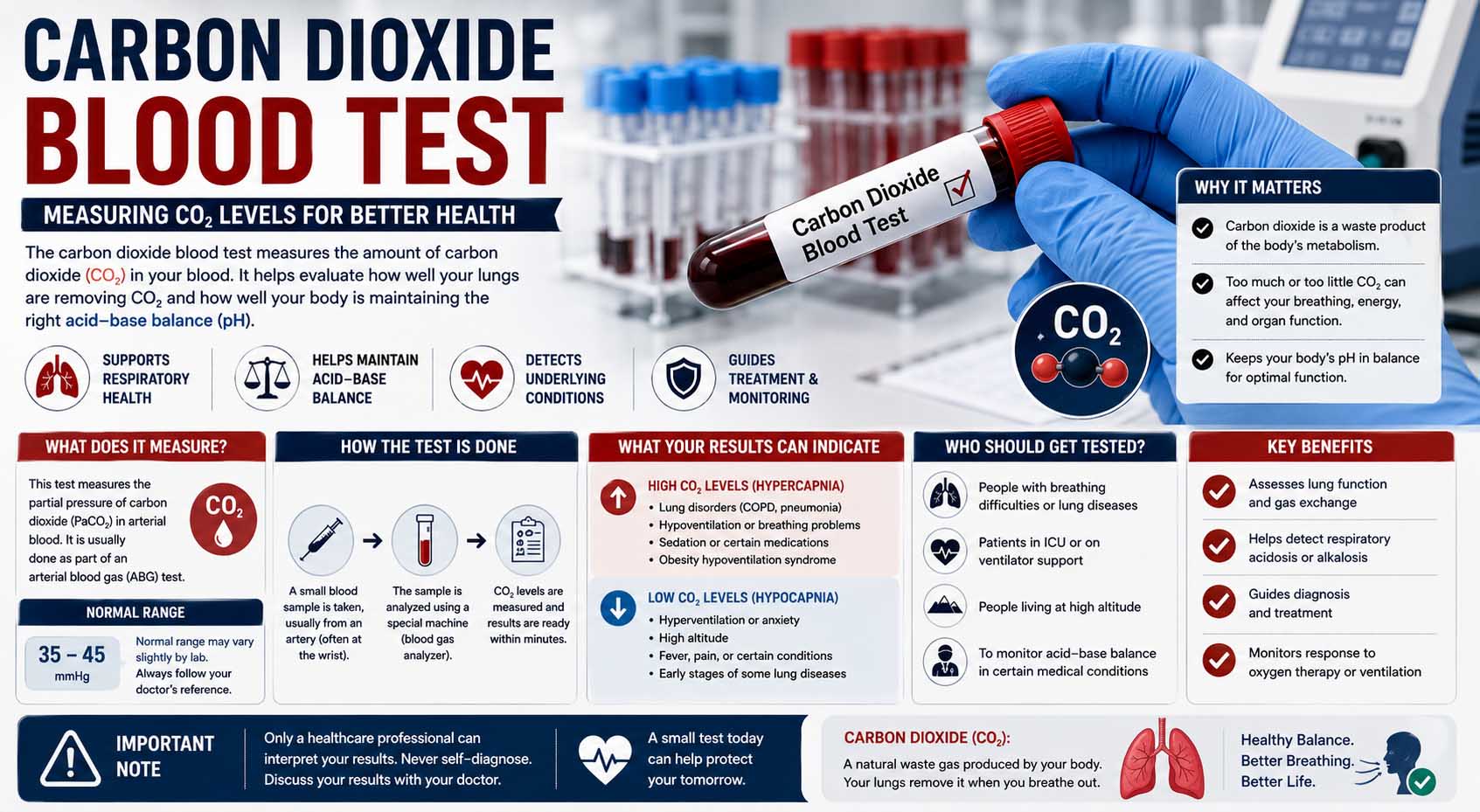
A carbon dioxide blood test measures the amount of carbon dioxide-related compounds in your blood and can provide useful clues about your body’s acid-base balance. Although the name may sound like the test directly measures the gas you breathe out, a standard blood chemistry test mainly reflects bicarbonate, a form of carbon dioxide that helps keep blood pH within a healthy range. Doctors often review this result alongside electrolytes and other laboratory values to understand how well the kidneys, lungs, and metabolism are working. Mild changes can occur for many…
Read More