Lower left abdomen pain is a common health concern that can affect people of all ages. The discomfort may appear suddenly or develop gradually over time. Some individuals experience mild aching sensations, while others feel severe cramps or sharp stabbing pain. Because many organs and muscles are located in the lower abdominal region, identifying the exact cause can sometimes be difficult without medical evaluation.
In many cases, lower left abdomen pain is linked to digestive issues, muscle strain, urinary tract problems, or reproductive health conditions. Women may experience this type of pain due to menstrual cycles, ovarian cysts, or other gynecological concerns. Meanwhile, men can also experience pain related to digestive or urinary problems. Therefore, understanding the possible causes and symptoms can help people determine when medical attention may be necessary.
Common Causes of Lower Left Abdomen Pain
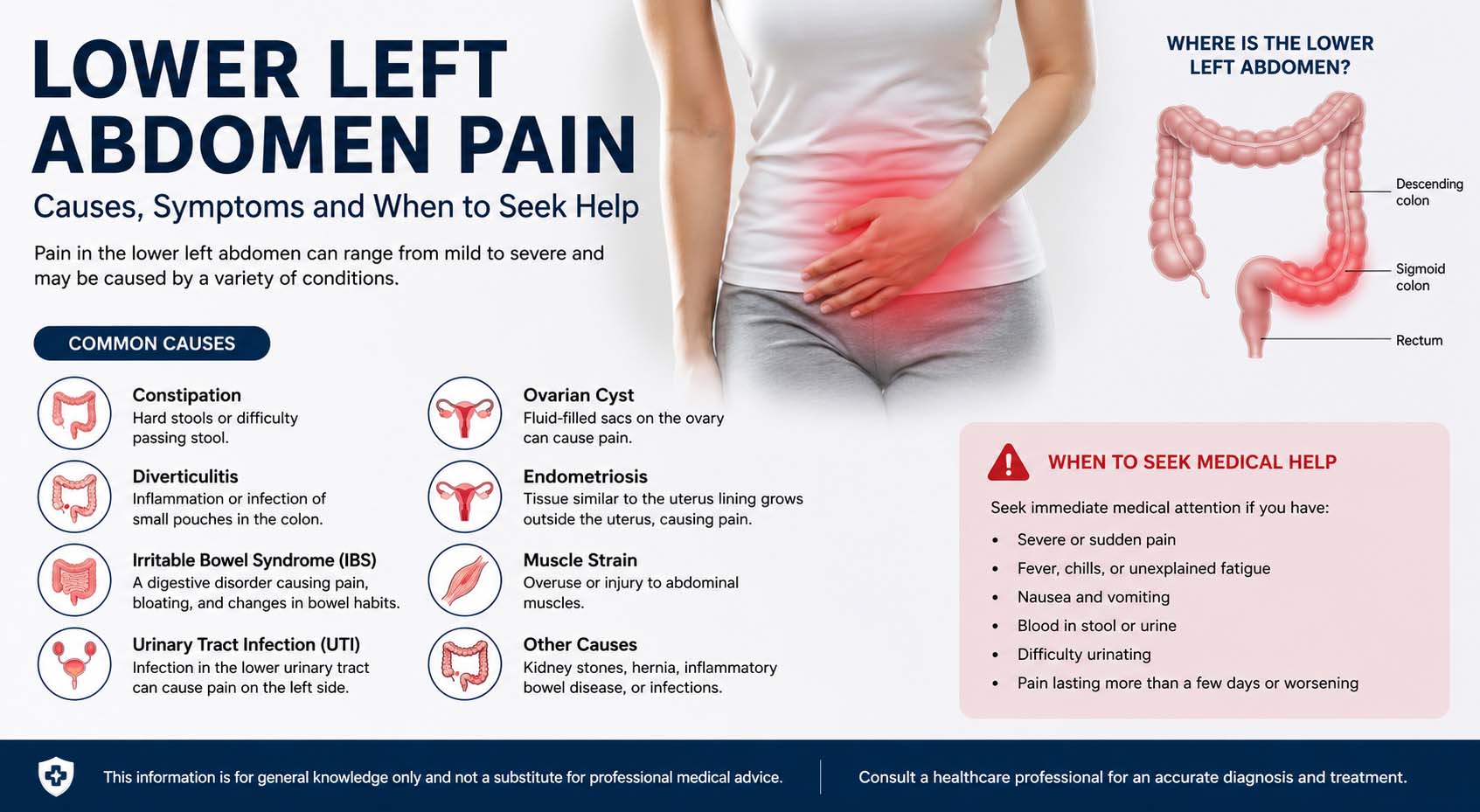
Several health conditions may lead to lower left abdomen pain. One of the most common causes is digestive discomfort. For example, gas buildup, constipation, and irritable bowel syndrome often create pressure and cramping in the lower abdominal area. Diverticulitis, which occurs when small pouches in the colon become inflamed, is another frequent cause of pain on the left side. Although the location differs, readers may also want to understand the possible causes of pain on right side of stomach.
Kidney stones and urinary tract infections can also trigger pain in the lower abdomen. In these cases, the pain may spread toward the back or groin area and may be accompanied by burning during urination or fever. Additionally, certain types of kidney stones may be associated with calcium oxalate crystals in urine.
Muscle strain is another possible explanation. Physical activity, heavy lifting, or sudden body movements can strain abdominal muscles and create soreness. In women, reproductive health conditions such as ovarian cysts, endometriosis, or ectopic pregnancy may also contribute to lower abdominal pain.
Sharp Pain in Lower Left Abdomen Female
Experiencing sharp pain in lower left abdomen female patients can sometimes indicate gynecological conditions. Ovulation pain, also called mittelschmerz, may occur when an ovary releases an egg during the menstrual cycle. This discomfort is usually temporary but can feel intense for some women. Women tracking ovulation may also find guidance about the best time to take ovulation test useful.
Ovarian cysts are another common reason for sharp pain in lower left abdomen female individuals. These fluid-filled sacs may form on the ovaries and sometimes rupture, causing sudden pain. Furthermore, endometriosis is another condition that can lead to severe lower abdominal discomfort, especially during menstruation.
In some cases, sharp pain in lower left abdomen female patients may signal a more serious issue such as an ectopic pregnancy. This occurs when a fertilized egg develops outside the uterus and requires immediate medical attention. Symptoms may include dizziness, bleeding, and severe abdominal pain.
Pelvic inflammatory disease can also contribute to lower abdominal pain in women. This infection affects the reproductive organs and may cause fever, unusual discharge, and discomfort during movement.
Symptoms and Warning Signs
The symptoms associated with lower left abdomen pain often depend on the underlying condition. Some people experience bloating, constipation, or diarrhea if digestive problems are involved. Others may notice nausea, vomiting, or appetite loss.
Urinary problems can produce symptoms such as frequent urination, pain while urinating, or cloudy urine. Moreover, fever may indicate infection or inflammation, especially in cases of diverticulitis or urinary tract infections.
Pain in Lower Left Side of Abdomen Female
Many women search for information about in lower side of abdomen female conditions because the causes can range from minor to serious. Menstrual cramps are among the most common explanations. During menstruation, the uterus contracts to shed its lining, which can cause lower abdominal discomfort.
Fibroids may also contribute to pain in lower left side of abdomen female patients. These noncancerous growths develop inside or around the uterus and can create pressure or cramping sensations. Additionally, some women experience discomfort due to pelvic congestion syndrome, a condition involving enlarged veins in the pelvic area.
Why the Discomfort May Persist
The phrase pain lower is commonly searched online because this type of discomfort can have many possible explanations. Some causes are temporary and harmless, while others require prompt medical treatment.
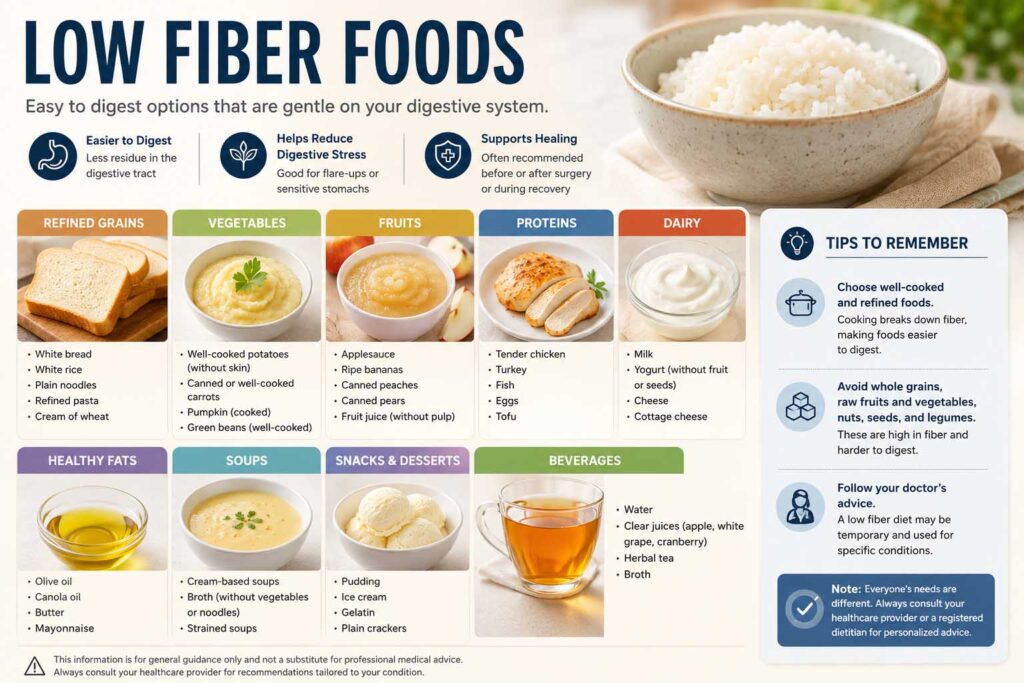
Mild pain lower symptoms may occur after eating certain foods, especially foods that produce excess gas. In many cases, temporary digestive discomfort improves with hydration, rest, and dietary adjustments. People managing constipation may also benefit from learning about foods high in fiber.
However, persistent lower left abdomen pain symptoms should not be ignored. Conditions such as diverticulitis may become serious if left untreated. For example, inflammation in the colon can cause fever, severe tenderness, and changes in bowel habits.
Pain Near the Hip Bone in Women
Patients experience can sometimes involve reproductive organs, muscles, or nearby joints. Hip-related muscle strain is one possible explanation, especially in physically active individuals. Overuse injuries or sudden movements may create discomfort near the pelvic and hip region.
Ovarian cysts located near the left ovary can also produce patients. This pain may feel dull, sharp, or throbbing depending on the size and condition of the cyst.
Endometriosis may spread outside the uterus and affect nearby tissues, creating chronic pelvic pain. Additionally, some women notice discomfort near the hip bone during menstruation or physical activity.
Treatment Options for Lower Left Abdomen Pain
Treatment depends entirely on the underlying cause of the pain. Mild digestive discomfort may improve with hydration, dietary changes, and rest. Additionally, avoiding spicy or processed foods can sometimes reduce irritation in the digestive tract.
Doctors may prescribe antibiotics for infections such as diverticulitis or urinary tract infections. Meanwhile, pain relievers and anti-inflammatory medications may help manage symptoms in certain cases.
Conclusion
Lower can result from many different conditions, ranging from mild digestive issues to serious medical concerns. Understanding possible causes such as digestive disorders, urinary problems, muscle strain, and reproductive health conditions can help individuals recognize when professional care may be needed.