
Experiencing pain under right breast can feel alarming, especially when discomfort appears suddenly or becomes sharp and persistent. However, several conditions can cause pain in this area, including muscle strain, digestive problems, rib inflammation, gallbladder disease, and lung conditions. Understanding the possible causes can help you recognize warning signs and decide when to seek medical attention.
The area beneath the right breast includes the chest wall, ribs, muscles, nerves, and nearby upper abdominal organs. Because these structures sit close together, identifying the source of discomfort can be difficult without a medical examination.
For example, some people experience stabbing pain, while others notice burning, aching, or pressure. In addition, symptoms may worsen during movement, deep breathing, or after eating. The timing, location, and accompanying symptoms often provide useful clues.
Understanding Pain Under Right Breast Bra Line
Discomfort along the bra line often comes from the chest wall, surrounding muscles, or pressure on the skin. However, pain in this location does not always originate from breast tissue.
Muscle Strain and Poor Posture
Muscle strain is a common explanation for soreness beneath the right breast. Heavy lifting, repetitive movements, intense exercise, and prolonged poor posture can irritate the muscles between the ribs.
For example, twisting suddenly or coughing repeatedly may strain the intercostal muscles. As a result, the discomfort may become more noticeable when bending, stretching, or taking a deep breath.
A tight or poorly fitted bra can also place pressure on the skin and chest wall. Therefore, checking the fit and adjusting uncomfortable clothing may help when pressure contributes to the symptoms.
Costochondritis and Rib Inflammation
Costochondritis involves inflammation of the cartilage connecting the ribs to the breastbone. It can cause sharp or aching chest discomfort, particularly when someone moves, coughs, or presses on the affected area.
Although costochondritis often improves over time, chest pain should not automatically be attributed to this condition. A healthcare professional may need to exclude other causes, especially when symptoms are new or severe.
Digestive Problems Near the Rib Cage
Digestive conditions can sometimes produce discomfort near the lower chest and upper abdomen.
For instance, trapped gas or acid reflux may create pressure or burning sensations. Gallbladder problems can also cause pain beneath the right ribs, sometimes resembling pain on right side of stomach.
However, digestive symptoms alone cannot reliably identify the cause. Persistent or recurring discomfort deserves medical evaluation.
Common Causes of Sharp Pain Under Right Breast
Sharp pain under right breast may develop suddenly, last for several minutes, or return throughout the day. The possible causes range from chest wall irritation to conditions that require urgent treatment.
Muscle Spasms and Rib Injuries
A muscle spasm can produce a sudden stabbing sensation around the ribs. Similarly, a bruised or fractured rib may cause localized pain that worsens during movement or breathing.
People sometimes notice tenderness when touching the affected area. However, tenderness does not completely rule out more serious conditions.
If the pain follows a fall, accident, or significant chest injury, seek medical assessment.
Gallstones and Gallbladder Inflammation
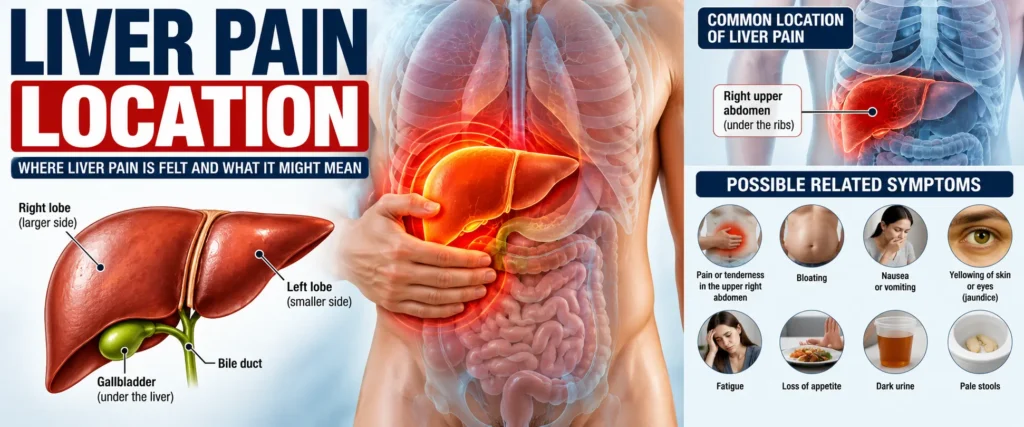
The gallbladder sits beneath the liver in the upper-right abdomen. It stores bile, which helps the body digest fats.
Gallstones can sometimes block the normal flow of bile and trigger sudden, intense pain. This discomfort usually begins in the upper-right abdomen or upper-middle abdomen and may spread toward the back or right shoulder.
In addition, some people experience nausea or vomiting during an attack. Symptoms may occur after eating, particularly following a large or fatty meal.
According to the National Institute of Diabetes and Digestive and Kidney Diseases’ information on gallstones, gallstone attacks can cause upper abdominal pain and may require medical treatment.
Seek urgent medical attention if severe abdominal pain persists or occurs with fever, chills, or yellowing of the skin or eyes.
Pleurisy and Respiratory Conditions
Pleurisy occurs when inflammation affects the membranes surrounding the lungs. It often causes sharp chest pain that becomes worse during deep breathing or coughing.
Similarly, pneumonia can cause chest discomfort alongside fever, cough, and breathing difficulties.
People experiencing wheezing may find general information about how to stop wheezing useful. However, new or severe breathing problems require prompt medical care rather than home treatment alone.
Nerve Irritation
Intercostal nerves travel between the ribs and help provide sensation to the chest wall.
When these nerves become irritated, a person may experience shooting, burning, or tingling pain. The discomfort can follow a narrow path around the rib cage.
In some cases, shingles causes burning pain or sensitivity before a blistering rash appears. Therefore, a new painful rash on one side of the chest should prompt medical evaluation.
Sudden Sharp Pain Under Right Breast in Women
Women may experience discomfort beneath the breast because of hormonal changes, breast tissue conditions, chest wall problems, or underlying medical conditions.
However, not every symptom in this area originates from the breast itself.
Hormonal Changes and Breast Tenderness
Hormonal fluctuations during the menstrual cycle can cause breast tenderness and swelling.
For example, some women notice increased sensitivity before menstruation. The discomfort may affect one or both breasts and sometimes extend toward the surrounding chest wall.
During pregnancy, breast growth and changes in posture can also contribute to discomfort around the ribs.
However, new or severe right upper abdominal pain during pregnancy requires prompt medical assessment, particularly when accompanied by headache, visual changes, swelling, or high blood pressure.
Breast Cysts and Fibrocystic Changes
Breast cysts are fluid-filled sacs that may cause tenderness or localized discomfort.
Similarly, fibrocystic breast changes can make breast tissue feel lumpy or sensitive, especially around menstruation.
Although these changes are often benign, a healthcare professional should assess any new lump, persistent focal pain, nipple discharge, or unusual breast changes.
Heart and Lung Emergencies
Sudden chest pain can occasionally indicate a serious heart or lung condition, even when the discomfort occurs on the right side.
For example, a pulmonary embolism occurs when a blood clot blocks an artery in the lungs. Symptoms may include sudden sharp chest pain, shortness of breath, rapid heartbeat, or coughing up blood.
Heart-related problems can also produce symptoms beyond classic left-sided chest pain.
Therefore, seek emergency medical care for chest pain accompanied by breathing difficulty, fainting, cold sweats, or pain spreading to the jaw, arm, or back.
Why Pain Under Right Breast Comes and Goes
Intermittent discomfort can have several explanations. Understanding when symptoms appear may help a healthcare professional identify the underlying cause.
Pain Triggered by Movement
Muscle-related pain often becomes more noticeable during certain activities.
For instance, lifting heavy objects, twisting the torso, or stretching awkwardly may trigger discomfort. The pain may ease when the affected muscles rest.
However, improvement with rest does not always establish a harmless cause.
Discomfort After Eating
Gallbladder attacks can cause episodes of upper abdominal pain that eventually subside.
Meanwhile, acid reflux may produce burning discomfort after meals or when lying down.
Because these conditions require different treatments, recurring pain after eating should not automatically be attributed to indigestion.
Recurring Nerve Pain
Nerve irritation may cause sudden shooting sensations that appear and disappear.
In addition, coughing, movement, or pressure on the affected area can sometimes worsen symptoms.
A clinician may examine the chest wall and ask about previous injuries, infections, or skin changes to help identify the cause.
Stress and Anxiety
Stress can increase muscle tension and affect breathing patterns. As a result, some people experience chest tightness or discomfort during periods of anxiety.
Relaxation techniques and adequate sleep may help reduce stress-related symptoms.
Nevertheless, never assume that new chest pain comes from anxiety without considering other possible causes. Serious medical conditions can produce similar sensations.
When to See a Doctor for Pain Under Right Breast
Although some causes are relatively minor, certain symptoms require immediate medical attention.
Warning Signs That Require Emergency Care
Seek emergency medical help if the pain occurs with:
- Sudden or severe difficulty breathing.
- Chest pressure, tightness, or crushing discomfort.
- Fainting, severe dizziness, or confusion.
- Cold sweats or pain spreading to the jaw, arm, or back.
- Coughing up blood.
- Sudden severe chest pain, especially with breathing difficulty.
These symptoms may indicate a serious condition involving the heart, lungs, or circulation.
Symptoms That Need Prompt Medical Evaluation
Arrange urgent medical assessment for severe or persistent upper-right abdominal pain, especially when it occurs with fever, repeated vomiting, or jaundice.
Likewise, seek medical advice if discomfort keeps returning, interferes with daily activities, or follows an injury.
Pregnant patients should seek prompt assessment for significant pain beneath the right ribs, particularly when other concerning symptoms appear.
How Doctors Identify the Cause
A healthcare professional usually begins by reviewing symptoms, medical history, and possible triggers.
For example, the clinician may ask whether pain worsens with movement, breathing, eating, or pressure on the chest wall.
The examination may include a head to toe assessment to evaluate relevant body systems and identify additional symptoms.
Depending on the findings, a clinician may recommend:
- Blood tests to investigate inflammation, liver function, or other concerns.
- An abdominal ultrasound when gallbladder disease is suspected.
- Chest imaging to evaluate certain lung or rib conditions.
- An electrocardiogram when symptoms suggest a possible heart problem.
- Additional tests based on the patient’s symptoms and examination.
Not everyone requires all these investigations. Instead, the healthcare professional selects tests according to the most likely causes and the urgency of the situation.
Treatment Options for Pain Beneath the Right Breast
Treatment depends on the underlying diagnosis rather than the location of the pain alone.
For mild muscle strain, a clinician may recommend temporary activity modification and appropriate pain relief. In some cases, gentle movement and gradual recovery help restore normal function.
However, gallbladder disease may require medication, further investigation, or surgery. Likewise, respiratory infections and other lung conditions need treatment tailored to their specific causes.
Avoid taking medication solely to suppress unexplained severe pain. In addition, do not delay medical evaluation when symptoms are persistent, worsening, or accompanied by warning signs.
Frequently Asked Questions
Can a Tight Bra Cause Pain Beneath the Right Breast?
Yes. A tight or poorly fitted bra may place pressure on the skin and chest wall, causing localized soreness.
However, persistent discomfort should not automatically be blamed on clothing, especially when other symptoms appear.
Can Gallbladder Problems Cause Pain Under the Right Breast?
Yes. Gallbladder conditions can cause upper-right abdominal pain that spreads toward the back, shoulder, or lower chest.
The discomfort may occur after meals and sometimes includes nausea or vomiting.
Why Does the Pain Get Worse When I Breathe Deeply?
Pain that worsens with deep breathing may involve the ribs, chest muscles, or lining around the lungs.
However, serious conditions such as pulmonary embolism can cause similar symptoms. Sudden pain with shortness of breath requires emergency assessment.
Is Right-Sided Breast Pain Always Related to the Breast?
No. Discomfort in this area may originate from muscles, ribs, nerves, digestive organs, or the lungs.
Therefore, the precise location and associated symptoms matter when identifying the cause.
Conclusion
Pain under right breast can result from muscle strain, rib inflammation, digestive conditions, gallbladder disease, nerve irritation, or respiratory problems.
Although many causes are manageable, the location of the pain alone cannot establish a diagnosis. Paying attention to its severity, timing, triggers, and accompanying symptoms can help guide the next steps.
If discomfort persists, worsens, or repeatedly returns, consult a healthcare professional. Seek emergency medical care immediately when chest pain occurs with severe breathing difficulty, fainting, or other serious warning signs.