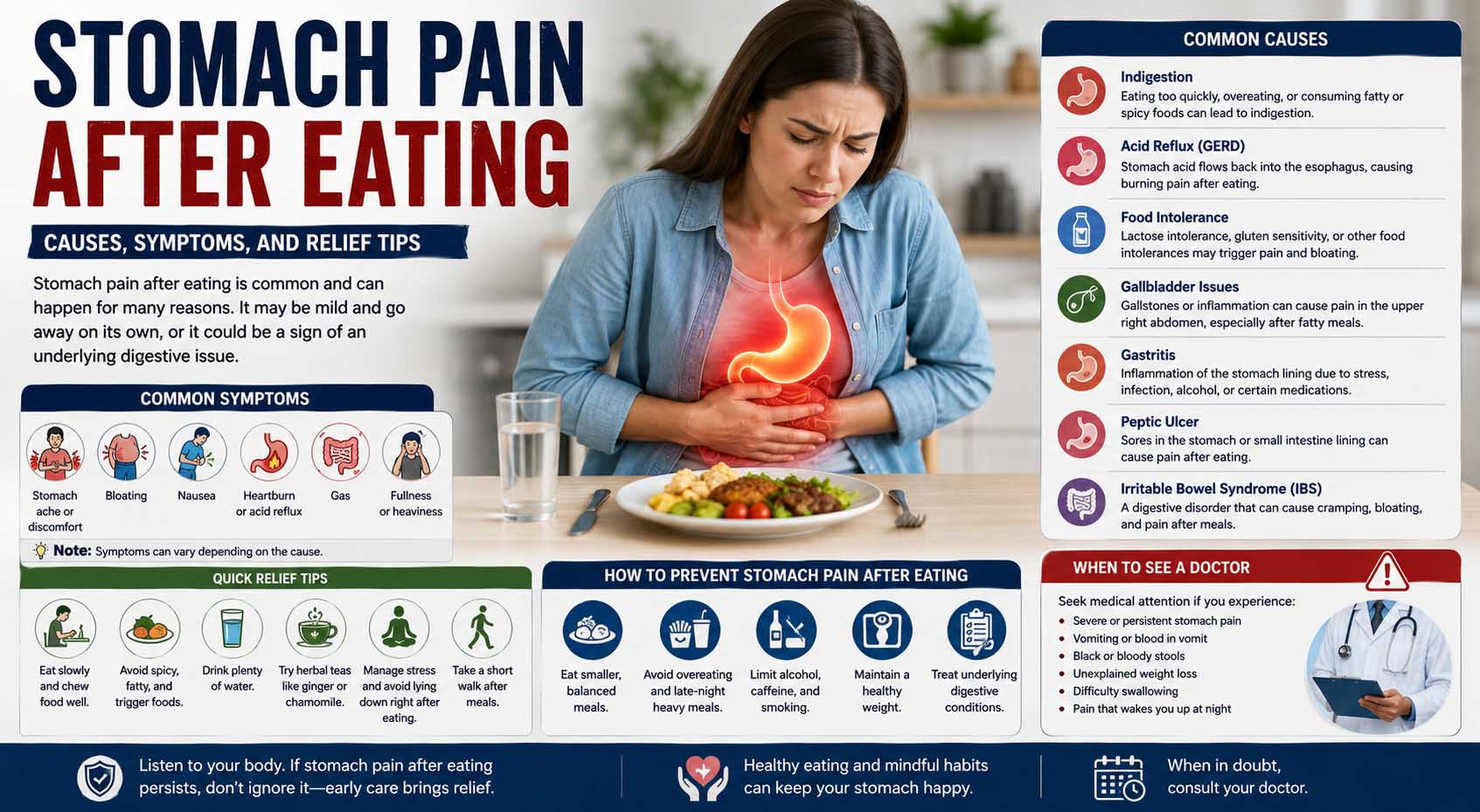
Stomach Pain After Eating: Common Causes, Symptoms and What to Do
stomach pain after eating

Finishing a meal should leave you satisfied, not uncomfortable. Yet stomach pain after eating is a common symptom that can happen for many reasons, ranging from eating too quickly and temporary indigestion to food intolerances or digestive conditions that need medical attention. Where the pain occurs, how quickly it starts, how long it lasts, and which foods seem to trigger it can all provide useful clues. An occasional mild stomachache may settle without treatment. However, recurring pain after meals deserves more attention, especially if it comes with vomiting, weight loss,…

Read More

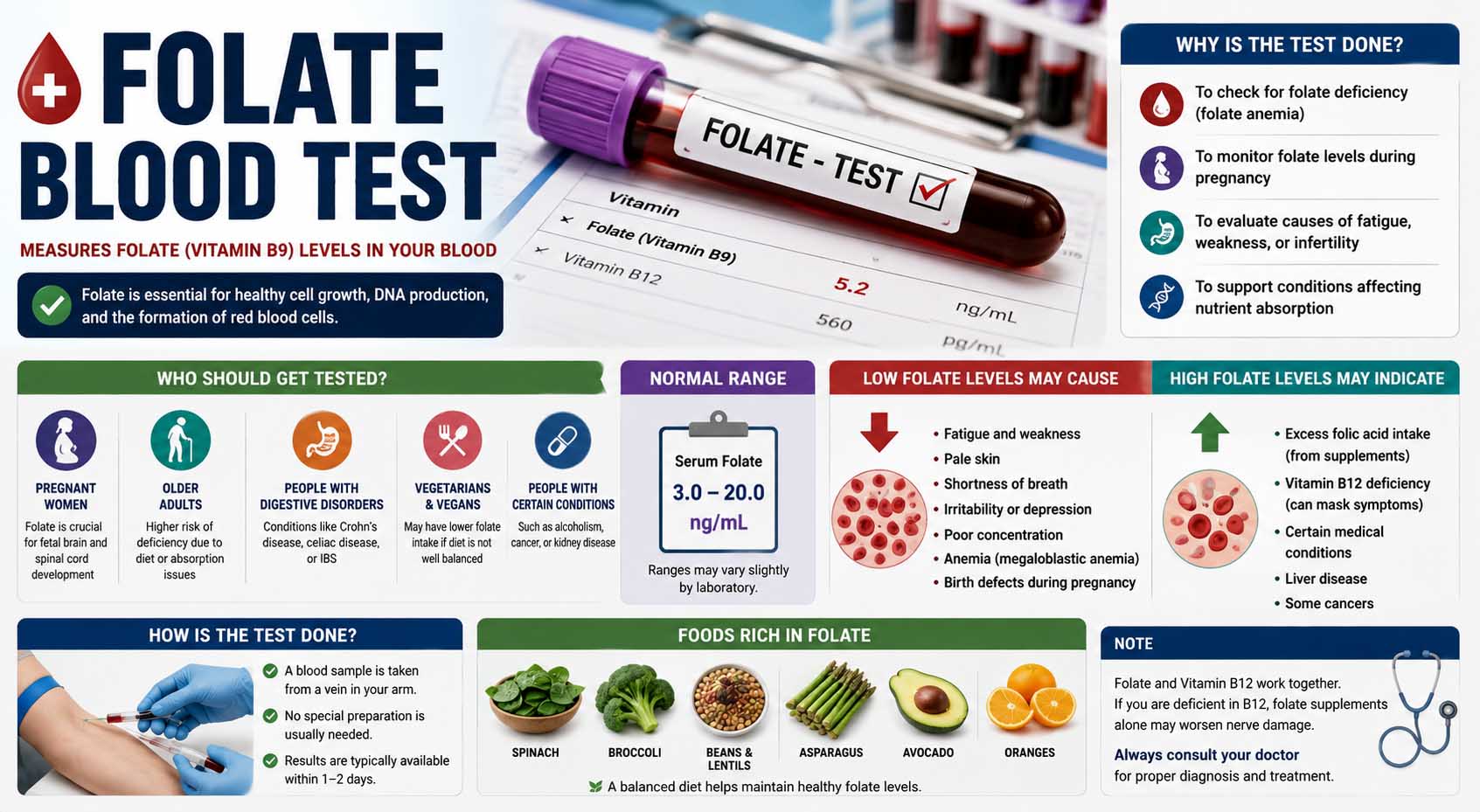
Folate Blood Test: What Your Results and Folate Levels Mean

folate blood test

A folate blood test measures the amount of folate, also called vitamin B9, in your blood. Because folate helps your body make healthy red blood cells and DNA, doctors may check your level when investigating anemia, fatigue, weakness, nutritional problems, or certain digestive conditions. The test is simple, but understanding the result requires more than looking at whether a number appears high or low. Folate occurs naturally in foods such as leafy green vegetables, beans, citrus fruits, and fortified grains. Folic acid, meanwhile, is the synthetic form commonly found in…

Read More

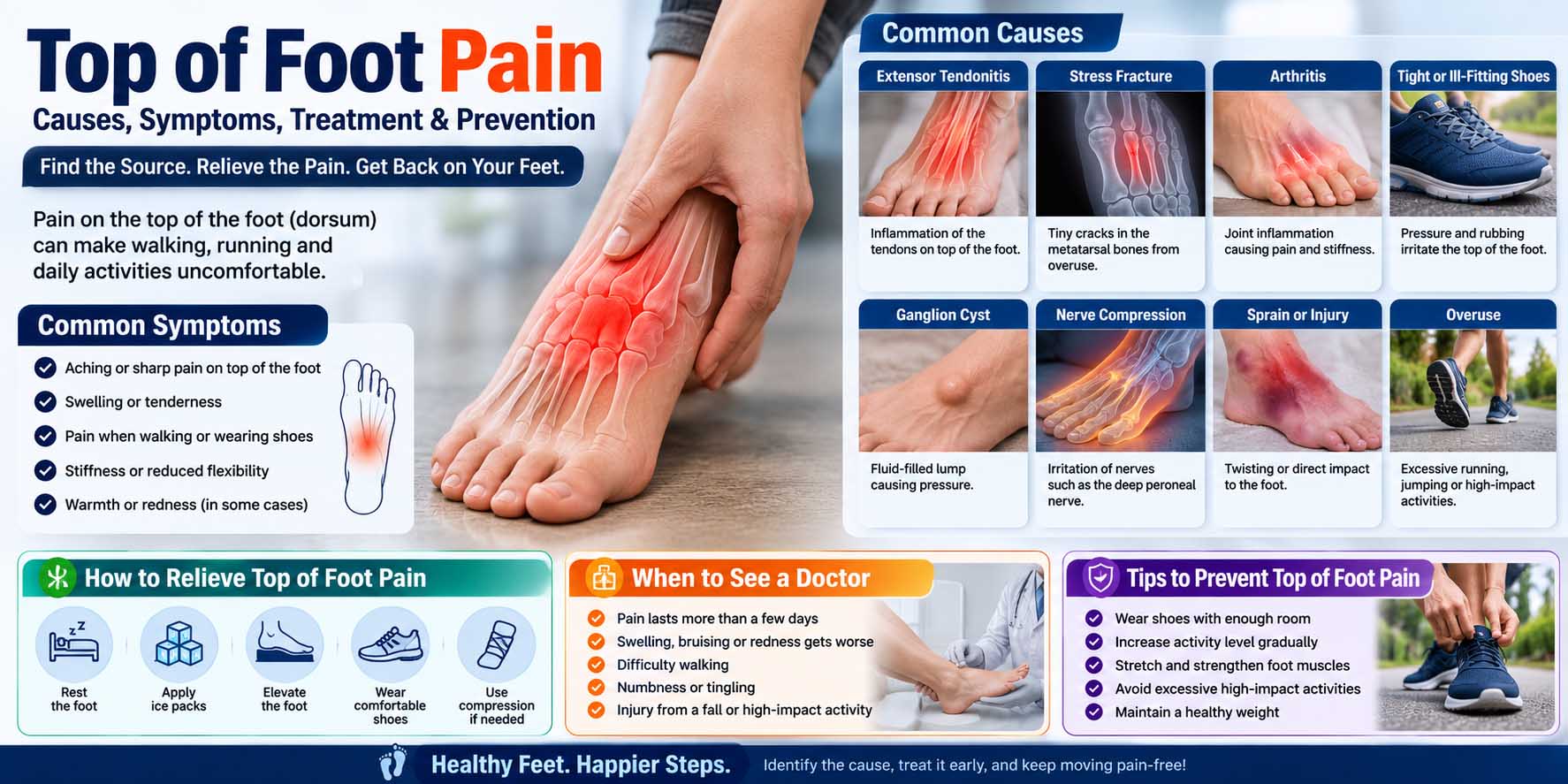
Top of Foot Pain: Common Causes, Symptoms, and What to Do

top of foot pain

Top of foot pain can come from overuse, tight shoes, tendon irritation, arthritis, a stress injury, or less commonly a nerve or bone problem. Because the top of the foot contains small joints, tendons, nerves, and bones packed into a relatively small area, even minor irritation can become noticeable when you walk. However, persistent, severe, or worsening pain should be evaluated rather than treated as simple soreness. For many people, the discomfort develops after increased walking, running, exercise, or a change in footwear. Meanwhile, others notice swelling, tenderness, burning, or…

Read More

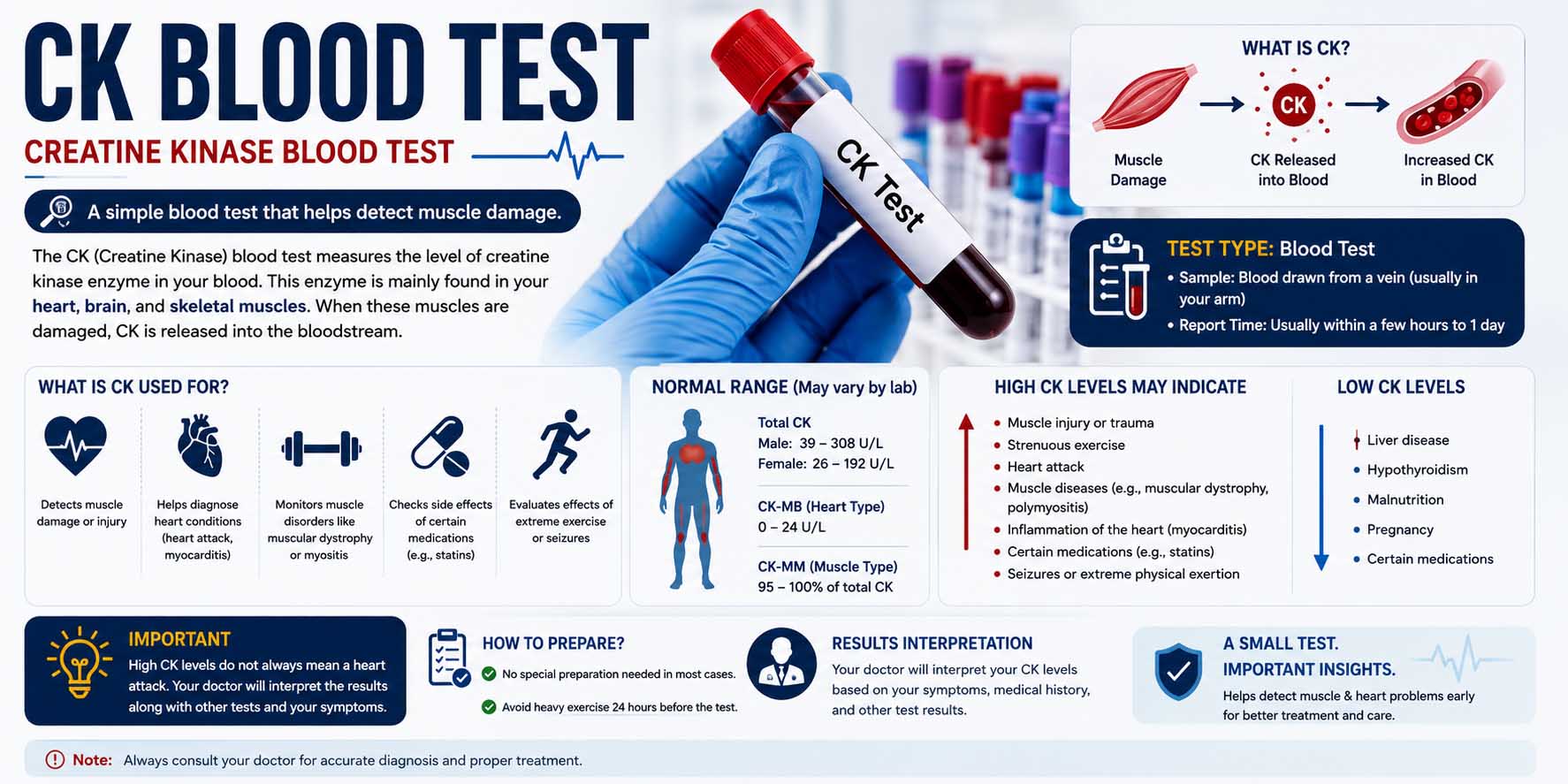
CK Blood Test: What Creatine Kinase Results Mean

ck blood test

A CK blood test measures creatine kinase, an enzyme found mainly in skeletal muscles, the heart, and smaller amounts in other tissues. When muscle cells become damaged or stressed, CK can leak into the bloodstream and cause the test result to rise. Therefore, doctors may order this test when someone has unexplained muscle pain, weakness, a significant muscle injury, or symptoms suggesting muscle breakdown. However, exercise and several non-dangerous factors can also raise CK, so an abnormal result needs to be interpreted in context. What Is a CK Blood Test?…

Read More

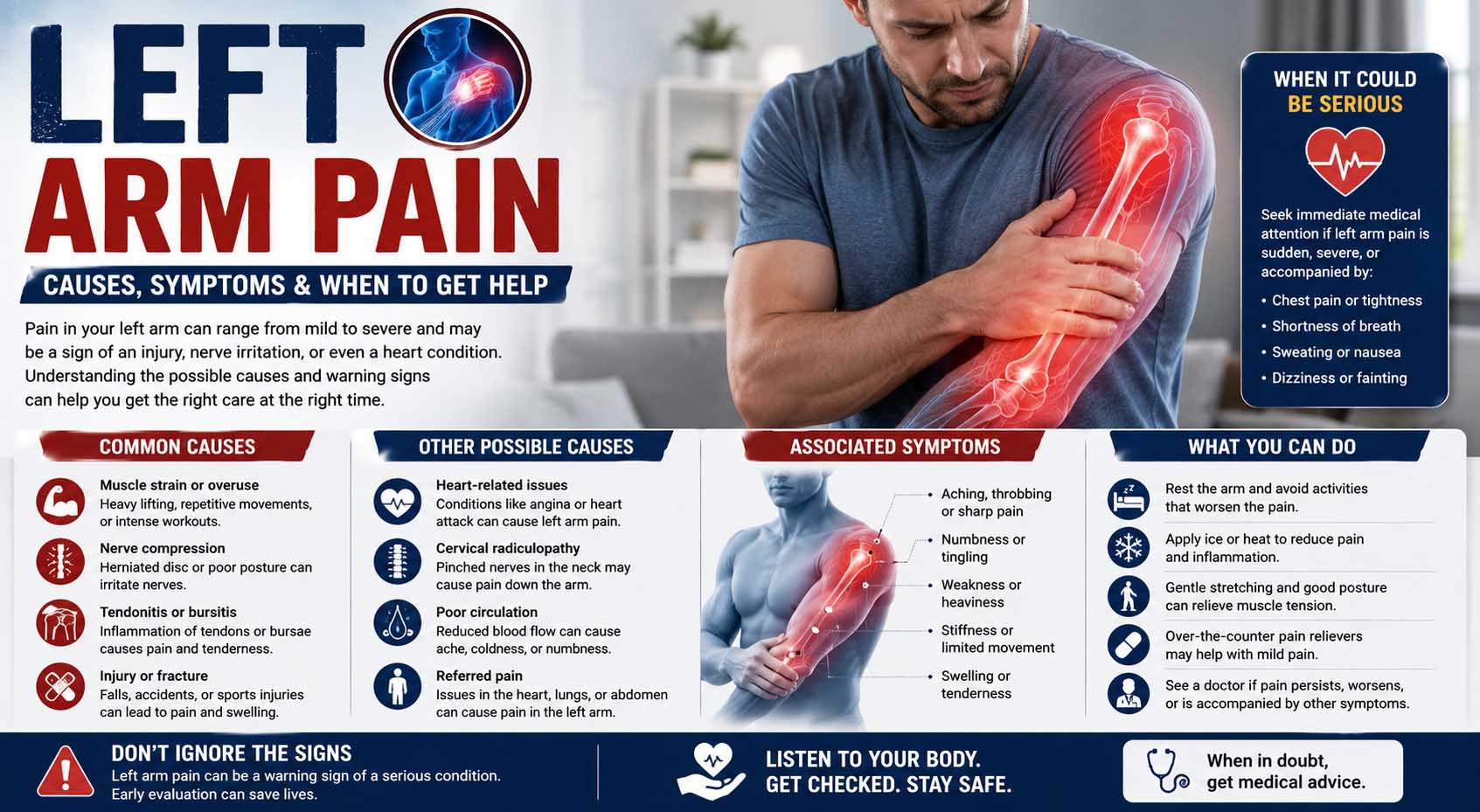
Left Arm Pain: Causes, Warning Signs, Treatment, and When to Get Help

left arm pain

Left arm pain can come from something as simple as an overworked muscle, but it can also occur with nerve problems, joint conditions, injuries, or heart-related emergencies. The location and type of discomfort often provide useful clues, yet arm pain should be considered alongside other symptoms. In particular, sudden unexplained pain accompanied by chest pressure, shortness of breath, sweating, nausea, faintness, or other concerning symptoms requires urgent medical attention. Some people feel a dull ache, while others describe burning, tingling, heaviness, weakness, or sharp pain. Meanwhile, discomfort may stay in…

Read More

Pain Around Ribs and Back Symptoms: Common Causes, Warning Signs, and Relief

pain around ribs and back symptoms

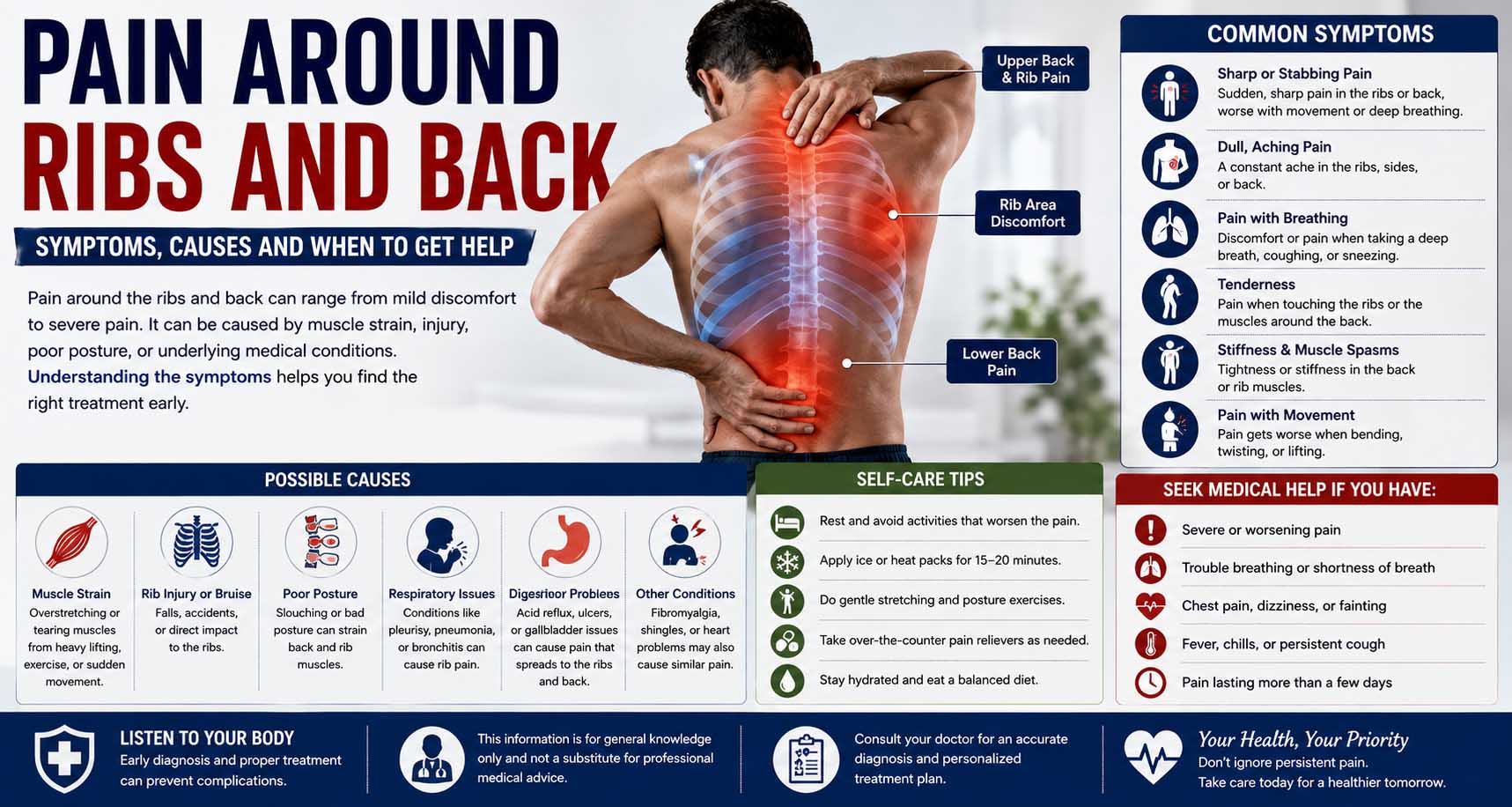
Feeling discomfort that seems to wrap from your ribs toward your back can be confusing because several muscles, nerves, bones, and internal organs occupy this area. Pain around ribs and back symptoms may come from something relatively simple, such as a strained muscle, but they can also occur with rib injuries, nerve irritation, lung conditions, kidney problems, or digestive issues. The location, type of pain, and other symptoms often provide useful clues. Some causes improve with rest and basic home care. However, severe pain, trouble breathing, chest pressure, fainting, fever…

Read More

Lactic Acid Blood Test: What It Measures, High Levels, and Results Explained

lactic acid blood test

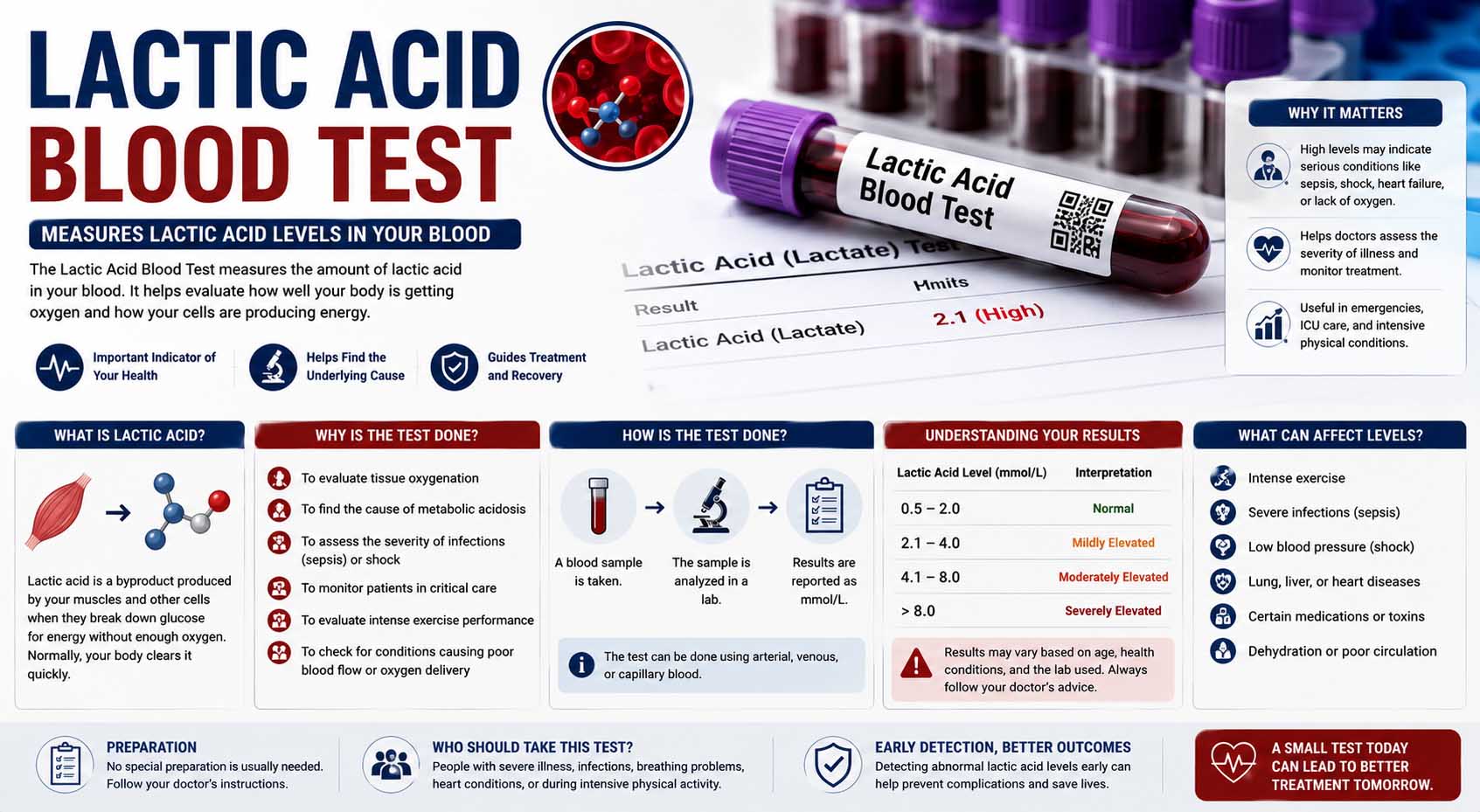
A lactic acid blood test measures the amount of lactate in your blood and can help doctors assess whether your body’s tissues may not be getting or using enough oxygen, or whether another condition is causing lactate to build up. Doctors often order the test when someone is seriously ill, has symptoms suggesting poor circulation or severe infection, or has another medical condition that could affect lactate production or clearance. A high result can be significant, but the number alone does not reveal the cause. Your muscles and other tissues…

Read More

NRBC Blood Test: What Your Results Mean

nrbc blood test

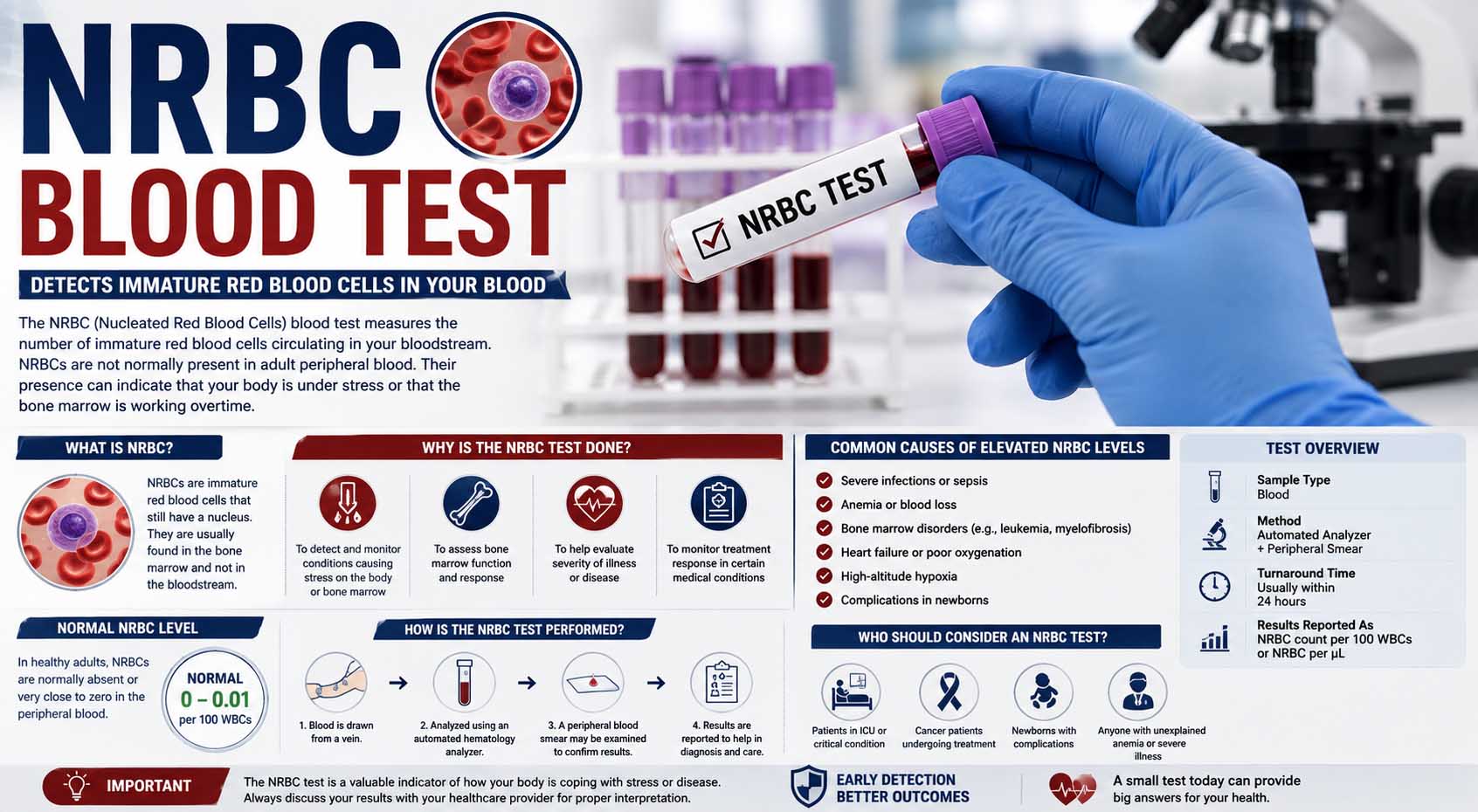
Seeing an unfamiliar abbreviation on a lab report can quickly raise questions. An NRBC blood test reports nucleated red blood cells, which are immature red blood cells that still contain a nucleus. They normally develop inside bone marrow before maturing and entering circulation. Therefore, finding NRBCs in an adult’s peripheral blood may prompt a healthcare professional to look at the result alongside the rest of the complete blood count (CBC), symptoms, medical history, and other tests. A result of zero is common in healthy adults. However, NRBCs can normally appear…

Read More

Benefits of Magnesium Oil on Feet: What the Evidence Says and How to Use It Safely

benefits of magnesium oil on feet

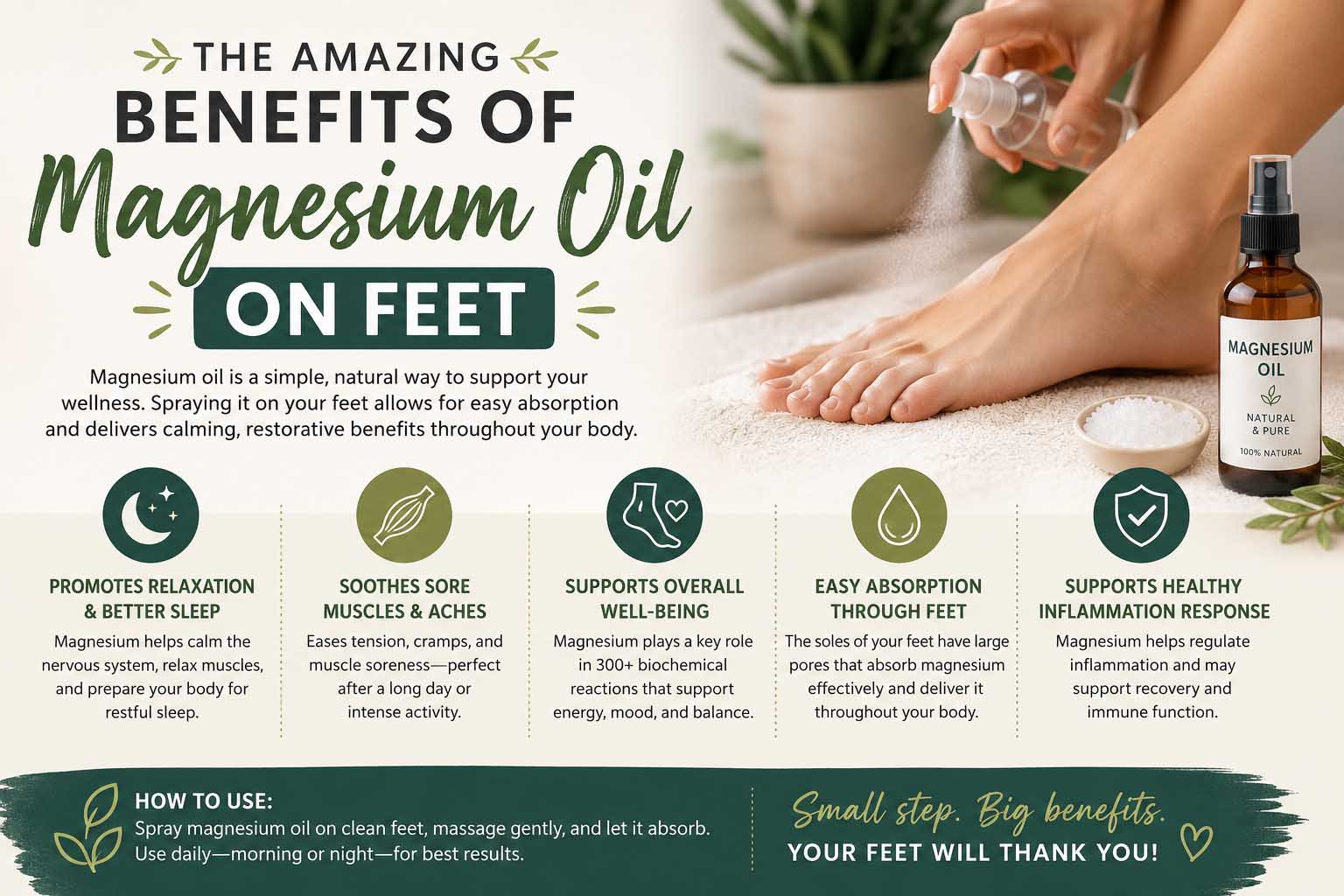
Many people use magnesium oil as part of their evening wellness routine, hoping it will improve sleep, ease tired feet, or relax sore muscles. While there are several claimed benefits of magnesium oil on feet, the scientific evidence is mixed. Topical magnesium products may feel soothing for some people, but researchers are still studying how much magnesium, if any, is absorbed through healthy skin. This guide explains what magnesium oil is, the potential benefits, what current research supports, and how to use it safely. What Is Magnesium Oil? Despite its…

Read More

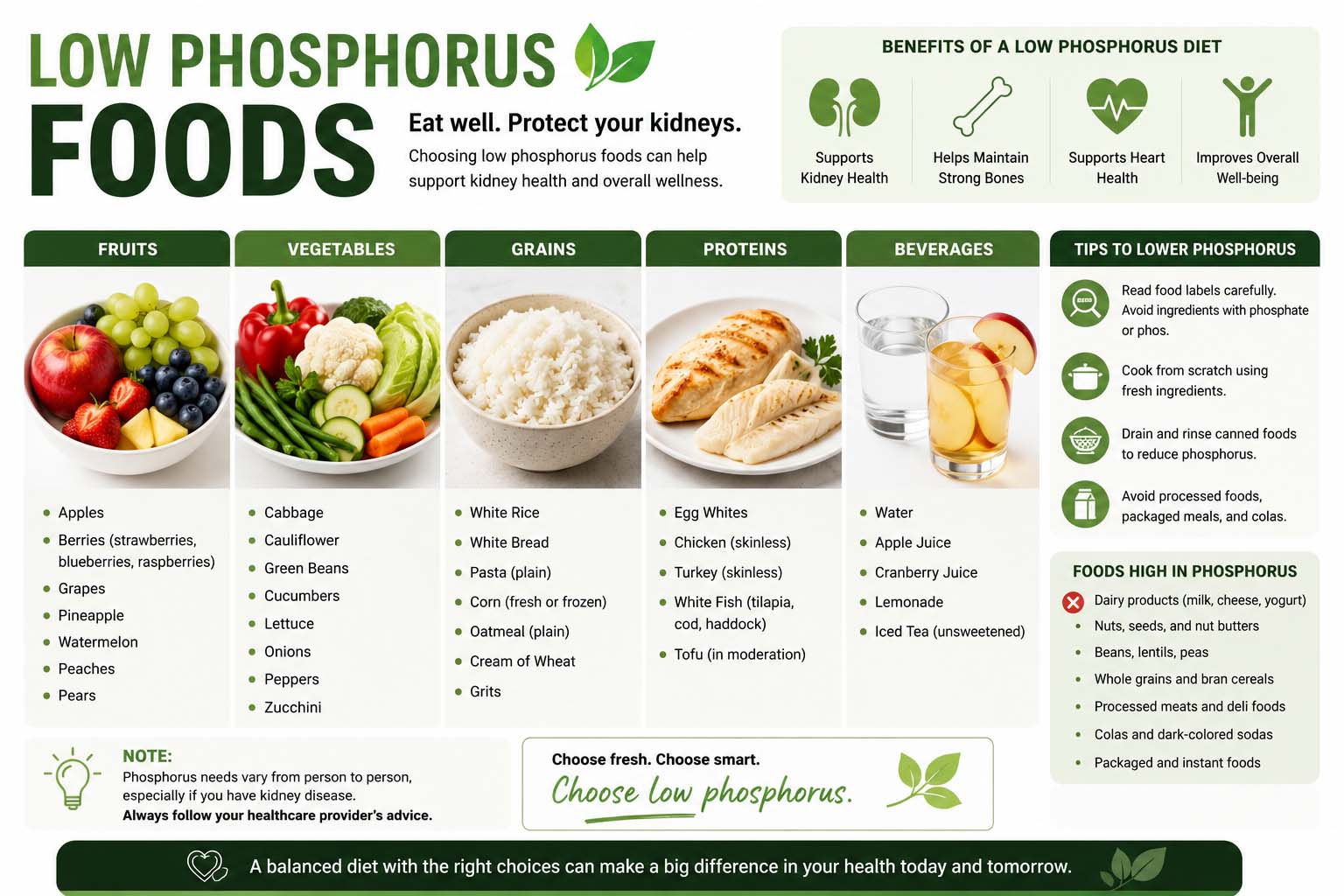
Low Phosphorus Foods: A Complete Guide to Healthier Eating

low phosphorus foods

If your doctor has recommended low phosphorus foods, you may be wondering what you can still enjoy. While phosphorus is an essential mineral that supports healthy bones, teeth, and energy production, too much phosphorus can become a problem for people with certain medical conditions, especially chronic kidney disease. The good news is that eating a lower-phosphorus diet doesn’t mean giving up nutritious meals. By choosing the right foods and understanding where phosphorus is commonly found, you can support your health while still enjoying a varied and satisfying diet. What Are…

Read More